![How long can property taxes go unpaid In [market_city]](https://image-cdn.carrot.com/eyJidWNrZXQiOiJwcm9kdWN0aW9uLmNhcnJvdC11cGxvYWRzLm9uY2Fycm90LmNvbSIsImtleSI6InVwbG9hZHMvc2l0ZXMvNDg0NDQvMjAyNi8xMC9Ib3ctbG9uZy1jYW4tcHJvcGVydHktdGF4ZXMtZ28tdW5wYWlkLnBuZyIsImVkaXRzIjp7InJlc2l6ZSI6eyJ3aWR0aCI6MTE1Mn0sInRvRm9ybWF0Ijoid2VicCIsIndlYnAiOnsicXVhbGl0eSI6NzB9fX0=)


Three years. That’s how long an Illinois homeowner now gets to buy back a tax debt after the county sells it at the annual tax sale. Plenty of people who’ve fallen behind have no idea the clock runs that long.
Penalties pile up the whole time, though, and they’re a problem of their own.
I buy houses all over this state with A Team Real Estate Solutions, and property tax trouble shows up in a big share of the calls I take. Some owners inherit a house with four years of unpaid bills attached. Others watch a reassessment push their escrow payment past what the family can carry. No one in Illinois loses a home overnight. The process keeps moving, and every six months it moves in a way that costs the owner more.
Most people want one answer: how long can you go without paying property taxes in Illinois before the house is gone? The honest version starts with the first late payment and ends on the day someone else can petition for your deed.
What Is Property Tax in Illinois?
Take the Homeowner Exemption. Per the Cook County Assessor’s office, it cuts $10,000 off the equalized assessed value on a Cook County bill. That one line item says a lot about how the system works. Your bill isn’t a flat rate on your home price. It’s math built in layers.
Your county assessor sets an assessed value first. In most Illinois counties, that lands near one-third of market value. Cook County runs its own class system and assesses homes at a lower share. The state then applies an equalization factor, exemptions come off the top, and only after that do the local tax rates hit.
A long list of taxing bodies sets those rates. School districts, your city or village, the township, the park district, the library, the fire district, and sometimes a sanitary or water district each take a share. Schools often take the biggest slice of an Illinois bill. A house in Oak Park and a matching one thirty miles south can carry wildly different taxes at the same market value.
Sellers get tripped up by one part. The tax attaches to the parcel, not to you the way a credit card does. When taxes go unpaid, a lien sits on the property starting January 1 of the year the taxes were levied. It stays put until someone pays or the debt gets sold at a tax sale. Lawyers at Illinois Legal Aid Online explain how it works in plain language, and their guide is worth a read before you talk to anyone about your options.
One more wrinkle: Illinois bills in arrears. The taxes you pay this year cover last year’s assessment, so a bill can show up for a stretch when you didn’t even own the house.
How Much Are Property Taxes in Illinois?
Illinois property taxes catch more people off guard than any other cost of owning a home here. Buyers who budget off a mortgage calculator get burned every year.
Tax Foundation figures released in 2026 put the state’s effective property tax rate on owner-occupied homes at 1.88%. New Jersey matches it, and no state sits higher. Indiana comes in at 0.76%, so the same house costs well under half as much to hold once you cross the state line.
Not long ago I sat at a kitchen table in Berwyn with a young couple who’d fallen two bills behind. I’ve sat through that scene more times than I’d like to admit.
They sold, and nobody forced them to. Holding that house was never going to work on their income.
Your own number depends on where you live and which exemptions you’ve claimed. Homes in Chicago and its suburbs often sell for more, which pushes bills there higher still. Before you decide the bill is simply too big, make sure you’re getting every break you qualify for.
High taxes alone aren’t a reason to sell. I’ve bought from owners who should have stayed and appealed instead. If the bill eats a full month of take-home pay, though, you’re looking at a deeper problem, and a tighter budget won’t fix it.
How Does Property Tax Reassessment Work in Illinois?
Miss the appeal window on a bad reassessment and you’ll carry that number for years. You’ll pay on a value your house couldn’t fetch on its best day.
Cook County reassesses on a three-year cycle, one third of the townships at a time. Downstate and collar counties reassess every four years, and the township assessor can make changes in between. Your assessment notice arrives separately from your tax bill, which confuses people. The notice is what you fight. The bill is just the result.
Here’s where owners lose. The assessment in front of you today shows up on a bill you won’t see until next year, and by then the appeal deadline is long gone.
Did you actually open your last assessment notice? Most people I meet didn’t. It looks like junk mail, it’s full of EAV jargon, and it ends up in the pile with the insurance renewal. A year later the mortgage lender raises the escrow by two hundred a month, and everyone’s shocked.
Appeals start with your township or county assessor, then move to the county board of review. From there you can take it to the state Property Tax Appeal Board or circuit court. In Cook County, the board of review sets a separate filing deadline for each township as it’s reassessed, and those dates are firm. Your county assessor’s office will tell you your exact window over the phone. I’ve tracked down plenty of deadlines on houses I’ve bought, and that call takes about four minutes.
A value appeal works best with real sales behind it. Three recent sales of homes like yours, on lots like yours, in your neighborhood will beat any argument about how your taxes feel. Got a recent refinance appraisal that came in below your assessed market value? Bring that too.
Can You Lower Your Property Taxes in Illinois?
For years I told sellers that exemptions were small potatoes next to an appeal. I was wrong about that, at least for seniors.
The Low-Income Senior Citizens Assessment Freeze locks your home’s equalized assessed value at the level of the year you first qualify. You have to be 65 or older during the tax year, own and live in the place, and stay under the household income limit. Township assessors list that limit at $75,000 for 2026. It rises to $77,000 for tax year 2027 and $79,000 for 2028 and after. The freeze holds your assessed value in place, while your rates can still climb.
Separate from the freeze, the Senior Citizens Homestead Exemption takes a flat amount off your EAV with no income test at all. Cook County allows up to $8,000. Most other counties allow $5,000, though a few near Cook get the higher amount. If you turned 65 this year and the county hasn’t heard from you, file.
Veterans have their own lane. A service-connected disability rating can bring an exemption worth a few thousand dollars of EAV. At the highest rating, it can cover the first $250,000 of EAV. Another exemption covers veterans back from active duty in an armed conflict.
Illinois also runs a tax deferral program for some senior homeowners. The state pays your bill and places a lien that is settled when the property sells. Your county treasurer handles the forms and can confirm the current income limits and interest terms.
Exemptions don’t renew themselves in every county. The senior freeze often needs a fresh form each year, and I’ve watched owners lose hundreds of dollars because a renewal envelope sat unopened.
When Are Illinois Property Taxes Due?
Most owners carry a simple calendar in their heads: two installments, one in summer and one in fall, on the same dates every year. In Cook County, that picture has been wrong for a while now.
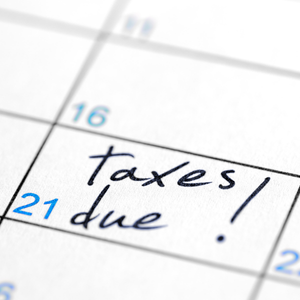
The Cook County Treasurer lists this cycle’s first installment as due April 1, 2026. The second installment bill went out September 1, with payment due October 1, 2026. That date has passed, so an unpaid second installment is already picking up the late penalty. Normally the second installment comes due in early August, and I’ve learned never to assume the old schedule holds. An overhaul of the county’s billing system pushed last cycle’s second installment all the way to mid-December, and the ripple moved everything behind it.
Outside Cook, things are steadier but still vary. The Illinois Department of Revenue says most counties collect in two installments, usually June 1 and September 1, and your county treasurer sets the actual dates. When bills go out after May 1, the first installment is due 30 days after the date on the bill. Cook and some other counties use accelerated billing, where the first installment equals 55 percent of last year’s total.
So when does a bill turn delinquent? State law ties the first installment’s delinquency date to the later of a fixed date in the statute or the day after the due date printed on your bill. Put simply, trust the date on your bill, not one you remember from three years ago.
If your mortgage lender escrows your taxes, the servicer pays them, and you’ll see the change in your monthly payment. Maybe you own free and clear, or your loan got sold and the escrow was botched in the transfer. Then no one’s watching that deadline but you.
What Happens If You Pay Illinois Property Taxes Late?
“How many months can I let the payment ride?”
I hear that all the time, and the honest answer comes in two parts. Missing one installment is a penalty problem. Missing a full year is a tax sale problem.
In most Illinois counties, late installments pick up a penalty of 1.5% for each month they’re late. The rate in Cook is 0.75% a month for recent years, after the county cut it in half. Miss both installments, and your name, parcel number, and amount owed go on a published delinquent tax list, often in a local newspaper. The county collector then asks the circuit court for a judgment and an order to sell the tax debt. I’ve watched that step blindside owners who figured the newspaper listing was the end of it.
That sale isn’t a sale of your house. A tax buyer pays your delinquent taxes plus the required costs and gets a tax sale certificate in return. Investors at the sale compete by offering lower penalty rates. The winning rate gets charged on the amount sold, then again every six months you wait.
Now for the clock you came here for. For certificates issued on or after July 10, 2026, Illinois stretched the redemption period for most homes to three years from the date of sale. It used to be two and a half. The change came through Public Act 104-0553, which amended 35 ILCS 200/21-350. Some parcels get only one year, including vacant land, commercial sites, and buildings with seven or more units. Nolo’s explainer covers how the tax sale itself works, though it was written before this change. The same 2026 law also gave former owners a right to surplus equity above the tax debt, which closed an ugly loophole.
Taxes delinquent for three or more years that were never sold at an annual sale can end up in a scavenger sale. After one of those, the county treasurer in Cook says most homeowners get a redemption window of about two and a half years, while commercial buildings and vacant lots typically get six months.
Redeem and you keep everything. Let the period run out, and the property can go to a public tax deed auction. Under the new law, you can then claim whatever money is left after the taxes, interest, and allowed costs are paid. Selling before that point usually keeps more in your pocket, and this guide covers how to sell your house with delinquent property taxes in Illinois.
| Stage | What happens | Can you still sell? |
| Missed installment | A monthly penalty is added to your bill. | Yes, and the penalty is paid at closing. |
| A full year unpaid | Your parcel lands on the delinquent list and goes to the tax sale. | Yes. |
| After the tax sale | A tax buyer holds the certificate while redemption interest builds. | Yes, and the redemption is paid from your proceeds. |
| The redemption period ends. | The property can go to a public tax deed auction. | No, though you can claim any surplus. |
A homeowner in Rockford called me on a Tuesday. She was three payments behind on her mortgage, with an auction date on the calendar and two years of taxes sold on top of that. Her late husband’s woodworking shop still filled the garage, saw blades hanging in rows. We closed before the sale date, and the tax redemption was paid at closing out of the proceeds. She drove off with a check and the saw blades in the back of her car. In my experience, it seldom feels real to the seller until the keys are gone. Selling isn’t always the answer. What mattered was that she still had options at a stage where she thought she had none. If you’re up against the same clock, here’s how we buy houses in Rockford.
Your Options Before the Redemption Period Runs Out
- Redeem through the county clerk. You request an estimate of redemption, which adds up the sold taxes, the penalties, any later years the buyer paid, and clerk fees. You pay the clerk, not the tax buyer.
- Ask about partial payments before you count on them. In Cook, the county clerk won’t accept them, and a partial payment there doesn’t count as a redemption. Call your own county clerk and get a clear answer.
- Appeal the assessment for future years. Redeeming fixes the past. An over-assessed parcel keeps producing bills you can’t carry, and your township assessor’s appeal window is often short once new assessments come out.
- Sell before the deed issues. Any sale that closes inside the redemption period pays the county first out of proceeds, and the rest of the equity is yours. A company that buys houses in Illinois can often close inside that window. Once a tax deed issues, you lose title, and any surplus turns into a claim you have to file.
Frequently Asked Questions
Will I lose my home the day after I miss a payment?
No. A missed installment brings a monthly penalty and nothing else. Losing title takes an unredeemed tax sale, a full redemption period, and a court-run tax deed process, and all of that takes years. A missed mortgage payment follows a different timeline, and this guide to selling your Chicago home during foreclosure walks through it.
Can I still sell a house with delinquent property taxes in Illinois?
Yes. The title company orders a redemption estimate, the amount comes out of your proceeds at closing, and the parcel transfers clean. Title companies handle this at closings all the time. If your house is in the city or the near suburbs, We Buy Houses Chicago, IL, explains how a direct sale handles it. The same process applies when we buy houses in Naperville and the towns around it.
What if I inherited the house and never got a tax bill?
Bills go to the mailing address on file with the treasurer’s office, which is often still the late owner’s. Update it right away, then check with the county clerk for sold or unpaid years. Not getting a bill doesn’t excuse the taxes.
Does a tax buyer own my house once they buy the certificate?
Not yet. They hold a lien with a right to redemption interest. Until a court grants a tax deed, you’re still the owner and can redeem.
My mortgage servicer was supposed to pay from escrow and did not. Now what?
Call the servicer and ask them to fix it in writing. When the mistake is theirs, push them to cover the penalties as well. Keep checking the treasurer’s portal yourself until the parcel shows paid.
How do I find out exactly what I owe?
The county treasurer’s site shows current bills. The county clerk handles anything that’s been sold. That’s two offices with two different numbers, and you’ll want both before you decide anything.
If you’re somewhere on this timeline and just want to understand your real choices, I’m happy to walk through it with you. There’s no pressure to sell. If redeeming or appealing makes more sense, I’ll tell you that. Reach out to A Team Real Estate Solutions when you’re ready, and bring whatever paperwork you have.
Helpful Illinois Blog Articles
- Guide To Short Selling Your Home To A Relative In Illinois
- Can My Ex-Partner Sell Our House Without Consent In Illinois
- Understanding Appraisal Required Repairs In Illinois Real Estate
- How Long Can You Leave Your Property Unoccupied
- Navigating Home Sales During Forbearance In Illinois
- Can You Sell a Rental With Tenants in Illinois
- Can You Sell a House with Asbestos in Illinois?
- Does a Seller Pay Closing Costs in Illinois?
- Difference Between Title and Deed
- How Much Do Realtors Charge to Sell A House in Illinois
- Selling a House With Water in the Crawl Space in Illinois
- How Long You Can Go Without Paying Your Property Taxes in Illinois