![Selling a House That Has Water in the Crawl Space in [market_city]](https://image-cdn.carrot.com/eyJidWNrZXQiOiJwcm9kdWN0aW9uLmNhcnJvdC11cGxvYWRzLm9uY2Fycm90LmNvbSIsImtleSI6InVwbG9hZHMvc2l0ZXMvNDg0NDQvMjAyNi8wNy9TZWxsaW5nLWEtSG91c2Utd2l0aC1hLVdhdGVybG9nZ2VkLUNyYXdsLVNwYWNlLnBuZyIsImVkaXRzIjp7InJlc2l6ZSI6eyJ3aWR0aCI6MTE1Mn0sInRvRm9ybWF0Ijoid2VicCIsIndlYnAiOnsicXVhbGl0eSI6NzB9fX0=)

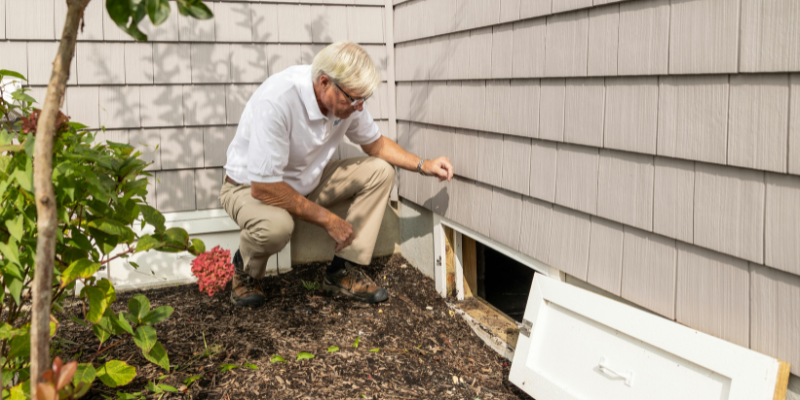
Selling a house with water in the crawl space in Illinois is just one more item to handle before you list your home. It doesn’t mean your plans are ruined, and it doesn’t mean you have to delay the sale until every drop is gone. Moisture under a house is common in Illinois, usually tied to our seasonal weather, so local buyers and real estate agents already expect to see it.
The fastest way to keep the sale moving is to find out exactly where the water is getting in. Some causes are cheap, quick fixes you can knock out in a weekend, while others call for a contractor. Once you know what you’re dealing with, you can decide whether to repair the problem before listing or sell the house as-is and let the buyer handle it. Either path can get you to closing, so let’s walk through how the water gets in, what it costs to fix, and how to sell either way.
Causes of Water in the Crawl Space
Water doesn’t appear under a house at random. It follows the easiest path in, and that path usually traces back to one of these common causes:
Clogged Gutters and Short Downspouts
Most of the time, a flooded crawl space has nothing to do with a broken foundation and everything to do with your gutters. During a heavy storm in Illinois, your roof sheds thousands of gallons of water. If your gutters are packed with old leaves and twigs, the water can’t reach the corners of the house. It spills over the edge like a waterfall, then drops straight down against your exterior walls.
Short downspouts make it worse. When they dump all that rainwater just a foot from the house, you end up with a large puddle right next to the crawl space. If the water has nowhere else to go, it works its way down through the dirt and seeps through the walls.
A flooded crawl space doesn’t mean you’re stuck with your property. A Team Real Estate Solutions can help you sell your home fast, regardless of its condition.
Internal Air Humidity and Condensation
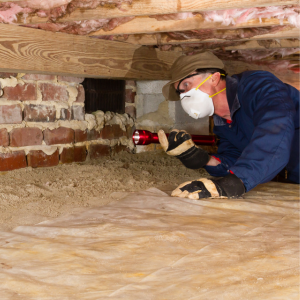
When the air outside turns hot and sticky, that heavy, moisture-packed air drifts in through your crawl space vents. The ground under your house naturally stays cool, so when the warm air meets the cold concrete and wood, it condenses into droplets on contact. That’s why the wooden beams can be dripping wet when you climb down, even though it feels like a sauna. Over a few weeks, the constant condensation leaves everything damp and lets musty, moldy air rise into the house, which drags down the air quality even if it hasn’t rained in a month.
Improper Landscape Grading Around the Foundation
When a home is first built, the ground is graded to slope away from the walls so rainwater rolls off into the yard. As the years pass, that soil settles and packs down. If you or a previous owner added flower beds, heavy mulch, or a walkway, the ground can slowly shift, causing it to slope toward the foundation rather than away from it.
When that happens, your yard becomes a funnel. Every time it rains, gravity pulls a steady stream of water toward your crawl space walls, turning the dirt floor into mud.
Fissures and Cracks in Foundation Walls
Concrete cracks as it ages and shifts in the Illinois soil. You may never notice these thin lines from the outside, but once the ground gets soaked, all that heavy mud presses against your home’s exterior. Water will find even the smallest hairline opening and squeeze through. A tiny gap can turn into a steady trickle that reaches your crawl space during every heavy downpour.
High Groundwater Levels or Rising Water Tables
If your gutters are clean and your walls look solid, but you still see water pooling, the cause is usually the water table under the house. Some neighborhoods in Illinois sit on naturally high groundwater. During an especially wet season, the groundwater rises like a filling bathtub and pushes up through the dirt floor of your crawl space.
Undersized or Malfunctioning Drainage Systems
If your property in Illinois relies on an old French drain or an aging drain tile system, it may simply be worn out. Over time, those underground pipes get packed with mud and tree roots. When a storm hits, the system is supposed to carry ground water away from the house, but instead it backs up, and the water routes itself right under your floors.
Dripping Plumbing or HVAC Line Leaks
It’s easy to blame the Illinois weather for everything, but sometimes the problem starts inside the house. A slow drip from a kitchen pipe or an AC condensate line running through the crawl space can pool down there. You won’t notice a drop or two a minute from upstairs, but over six months, that hidden water leak can create a small swamp without a single drop of rain.
Overwatering or Irrigation Near the House
Everyone wants a bright green lawn, so it’s easy to overwater without realizing it can backfire. If your sprinklers run too long or the spray heads point right at the siding, you’re building your own mini-flood next to the foundation. All that extra water has to go somewhere, and it sinks straight down into the crawl space.
Best Ways to Remediate Water in the Crawl Space
If you’ve decided to handle the moisture before you sell your home in Illinois, you have a few options. The right one depends on how bad the puddles are. Here’s how to stop the water from wrecking your home sale:
Sump Pump Installation and Upgrades
If there’s no sump pump down there yet, or the old one sounds like a dying lawnmower, it’s time to replace it. A reliable sump pump sits in a dug-out pit at the lowest point of the house, waiting for water to collect. It then pushes the water out through a pipe before it can pool. It’s usually the first thing a buyer’s inspector looks for before a sale.
Full Crawl Space Encapsulation
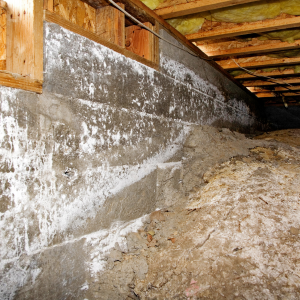
Instead of managing water after it gets in, you seal the entire area with a heavy-duty plastic liner that acts as a vapor barrier. The liner covers the dirt floor and runs all the way up the foundation walls, locking out ground moisture. It’s expensive, but it turns a soggy crawl space into a bone-dry one that makes buyers feel confident.
Deploying Dehumidification Systems
Even after you remove the standing water, the Illinois air can stay humid enough to keep the wood joists under your floor damp. A cheap dehumidifier won’t cut it and tends to burn out fast. You need a commercial-grade dehumidifier built for unheated spaces. It pulls the heavy moisture out of the air, self-drains, and keeps humidity levels low enough that mold can’t survive.
Structural Foundation Repair
No amount of air-drying will fix water that comes through physical gaps or cracks in the concrete. You have to seal those entry points. Sometimes it’s a simple job, like injecting epoxy into a hairline crack to block seepage. If the concrete is bowing or shifting from the wet soil outside, you may need a pro to install structural braces and lock everything back into place.
Routine Gutter and Roof Runoff Maintenance
This is the cheapest and most overlooked fix before you sell your house in Illinois. If you want a dry crawl space, you’ll want to stop roof water from reaching the house in the first place. Scoop out the old leaves, patch any sagging metal, and add long extensions to your downspouts so rainwater lands far from the foundation.
How Much Does It Cost to Dry Out Your Crawl Space?
Seeing water under your house in Illinois can send your mind straight to the cost. There’s no flat rate a contractor can give you over the phone, because the total depends on the method you need to keep the crawl space dry.
| Remediation Method | Estimated Cost |
| Sump Pump Installation and Upgrades | $500 to $2,500 |
| Full Crawl Space Encapsulation | $5,000 to $15,000 |
| Deploying Dehumidification Systems | $1,000 to $3,000 |
| Structural Foundation Repair | $1,500 to $10,000 |
| Routine Gutter and Roof Runoff Maintenance | $200 to $1,500 |
Can You Sell a House With Water in the Crawl Space in Illinois?
Yes, you can sell a house with water in the crawl space in Illinois. No state law locks down your listing or blocks you from selling over puddles under the floorboards. Plenty of sellers in Illinois close on homes with this exact issue, either by fixing it first or by pricing the house to sell as-is.
You have two main selling options. You can spend the cash on repairs now and aim for top dollar when you sell, or you can leave the water alone. Leaving it usually means dropping your sale price enough to get investors or cash buyers in Illinois interested in handling the remediation themselves.
Instead of lowering your asking price to attract buyers, contact A Team Real Estate Solutions to sell your house directly for cash, regardless of crawl space water issues. Sellers who need cash home buyers in Oak Lawn can start the same way.
How to Sell a House With Crawl Space Water Issues in Illinois?
Step 1: Assess the Damage
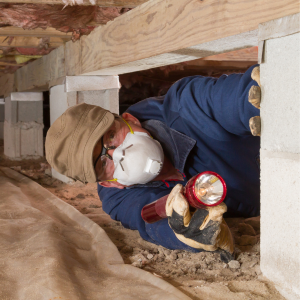
You can’t build a selling plan until you know exactly what’s happening under your floors. Instead of just opening the hatch for a quick look, do a full assessment so you can choose the right course of action based on what you actually find.
Schedule a Pre-Listing Home Inspection
Hire a local Illinois home inspector before the house ever hits the market. Ask them to focus on the crawl space and tell you exactly what they find. Their written report gives you the same answers a buyer’s inspector might later use to negotiate a lower price.
Conduct a Preliminary Self-Assessment
Before you head down, put safety first. Damp, unvented crawl spaces can hold mold spores, pest droppings, and electrical hazards from standing water. Wear safety glasses, a well-fitted respirator mask like an N95, and old clothes you don’t mind ruining.
Once you’re protected, grab your brightest flashlight and crawl in. Look at the whole space, not just the area by the door. Check the floor to see whether it’s slightly damp or holding puddles. Look up at the wooden floor joists. Is the insulation sopping like a wet sponge? Do you see fuzzy white or black spots on the wood that might need professional mold remediation? You’ll want a clear description of everything when you talk to contractors in Illinois.
Step 2: Fix the Damage
Take the inspection report and split the problems into two piles: quick fixes you can handle yourself, and bigger issues that need a professional.
Start with the high-impact fixes. If your downspouts are dumping water against the house, grab some plastic extensions from the hardware store and run them out six feet into the yard. If the sump pump is dead, replace it. These small fixes cost very little and completely change how a buyer sees the home.
For bigger problems, like a cracked foundation wall, hire a concrete professional to inject epoxy into the crack. You don’t have to spend $10,000 on full encapsulation unless the damage is severe, but clearing the obvious red flags keeps buyers from walking away from the sale.
Step 3: Price Strategically
Sit down with your real estate agent and weigh your options based on what you chose to fix. If you fixed everything, gather your repair receipts, invoices, and any transferable contractor warranties. Lay them out on the kitchen counter during your open house. Since you can prove the crawl space is dry, you can price your Illinois home at full market value and use the repairs as a strong selling point.
If you leave the water as is, the sale price needs to reflect that. Call a contractor for a quote on the moisture repair. If that quote comes back at $5,000, drop your asking price by $7,500. A slightly larger discount keeps buyers interested in the sale instead of scaring them off.
Step 4: Formally Disclose the Previous Water Damage
Get the Illinois residential disclosure form from your agent and find the lines that ask about basement or crawl space leakage and moisture. If you found water down there, mark “Yes,” then add a short, honest note that explains the issue and what you did about it.
If you hired a professional to inject epoxy into a crack, attach the receipt to the form. If you left the water alone, write that you’re aware of the issue and have built a discount into the asking price. Full transparency is what stops a buyer from coming back to sue you after the sale.
Step 5: Prepare for Inspections and Negotiations
Even if you made repairs, the buyer will bring in their own inspector to double-check your work. You can expect the inspector to spend a good length of time under the house with a flashlight and a moisture meter. When the report comes back, the buyer will likely use any leftover dampness as leverage to renegotiate. They might ask for a large price cut or a “closing credit” so they can hire their own contractor after they move in.
If you already discounted the house in Step 3, point that out. If they ask for a reasonable credit to seal a small crack, it’s often easier to hand over the cash credit at closing so the sale can move forward.
Step 6: Close the Sale
Once you and the buyer agree on the repairs or the price cuts for your Illinois home, the sale can close. If you agreed to fix something yourself, the buyer will do a final walkthrough a day or two before signing to confirm the crawl space looks exactly as you promised. If a professional company did the repair, hand over any transferable warranties at the closing table. Once the papers are signed and the funds are wired, the crawl space becomes the buyer’s responsibility, and you can move on free and clear. Avoid the stress of inspections, repairs, and negotiations. We buy houses in Illinois and other cities in any condition, including homes with wet crawl spaces. If your property sits in the western suburbs, we buy houses in Naperville as well.
Selling a House With Crawl Space Water Issues in Illinois
A wet crawl space can feel overwhelming, but you’re not stuck. The Illinois weather is usually the real culprit, since it drives heavy rain and humidity right under your floors. The fix might be as simple as a weekend gutter cleanup or as large as a full crawl space encapsulation. Either way, the main point stands: you can still sell this house. You just have to be honest on your disclosure forms to avoid legal trouble down the road. If you’re worried that water in your crawl space will scare away buyers, cash home buyers in Chicago and nearby cities in Illinois purchase homes regardless of moisture or drainage problems.
It comes down to how you want to sell the house with water in the crawl space. If you want to spend the cash and dry it out first, you may still get full market value. If you’re over the stress and want to skip the inspectors and repairs, we can handle it from here. A Team Real Estate Solutions buys homes exactly as-is in Illinois. Call us at (708) 608-0420 to get a fair offer and leave the soggy crawl space behind.