![Selling a Home with Solar Power [market_city]](https://image-cdn.carrot.com/eyJidWNrZXQiOiJwcm9kdWN0aW9uLmNhcnJvdC11cGxvYWRzLm9uY2Fycm90LmNvbSIsImtleSI6InVwbG9hZHMvc2l0ZXMvNDg0NDQvMjAyNi8wNi9TZWxsaW5nLWEtSG9tZS13aXRoLVNvbGFyLVBvd2VyLmpwZyIsImVkaXRzIjp7InJlc2l6ZSI6eyJ3aWR0aCI6MTE1Mn0sInRvRm9ybWF0Ijoid2VicCIsIndlYnAiOnsicXVhbGl0eSI6NzB9fX0=)

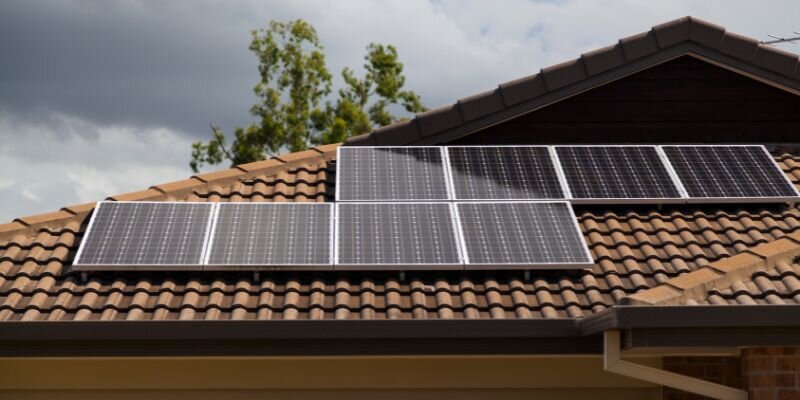
Illinois has emerged as one of the top domestic solar markets, ranking third in the country for residential solar installations in late 2024, so having solar panels on a property in Illinois could be a plus when it comes time to sell. More solar installations, driven in part by demand ahead of the state’s net metering deadline, have increased buyer familiarity with the technology. In turn, homeowners are typically selling to a market where purchasers are more aware of the benefits of solar energy, which makes it easier to navigate the sale and transfer process and any value impacts of a solar-powered home.
Illinois Solar Panel Transfer Laws and Legal Requirements for Home Sales
If you are an Illinois homeowner selling a home with solar panels, you must comply with statutory disclosure requirements and any contractual obligations regarding the installation. Sellers of solar systems must disclose material information about the solar installation, which is a major aspect of the property, including ownership, system performance, current leases or power purchase agreements (PPAs), and any known faults or pending difficulties.
Additional conditions may apply if the residence is part of the Illinois Solar for All (ILSFA) program. The transaction must be reported to the Seller’s Approved Vendor, and the buyer may be required to sign agreements relating to the system. Homeowners should also be aware of any outstanding responsibilities for renewable energy credits (RECs), which are generally passed to the Approved Vendor for 15 years. Meeting these requirements sooner can help prevent delays and make the transaction move more smoothly.
Solar Panel Lease vs Ownership: Selling Implications for Illinois Homeowners
How you got your solar system can impact the home-selling process. Requirements, transfer process, and potential obstacles differ based on whether the system is owned outright, financed with a loan, or leased through a solar provider.
Paid in Full Owned Systems
The easiest sale is usually if you own your panels outright. The system is attached to the property like any other fixture and usually doesn’t need third-party consent.
- Solar panels automatically move with the home
- No lender or leasing company permission is necessary
- Give the buyer warranties, system specifications, and performance records
Solar Loans
If the system is financed, you will need to resolve the remaining loan debt prior to or during the sale. Most sellers will pay off the loan at closing with proceeds from the home sale.
- May have to pay off or assign the loan to the buyer
- Options are based on secured or unsecured loans
- Often, the easiest way is to pay off the balance at closing
Leased Systems and PPAs
Leased solar systems and power purchase agreements (PPAs) require more coordination because a third party owns the equipment. Generally, buyers must qualify to accept the agreement.
- Lease transfers, buyouts, or prepayments are generally possible depending on contract terms
- Buyers typically must apply to take over the lease and pass a credit check
- Nearly 77% of solar lease transfers are successful, but delays or issues can occur because of qualification criteria or lease constraints
Property Value Impact of Solar Installations in the Illinois Real Estate Market
In Illinois, solar panels can significantly increase your home’s value. In 2025, research indicated that homes with solar sold for an average of 6.9 percent more than comparable homes without solar. But the biggest effect is on the ownership structure. Most of the time, leased systems and PPAs aren’t factored into a home’s appraised value, whereas owned solar systems are. Homes with solar can increase value and sell 13 to 20% faster than comparable properties, helping reduce time on the market and making solar an appealing alternative for many purchasers.
Illinois Utility Net Metering Programs and Home Resale Value
Illinois net metering laws can significantly affect the value and desirability of a solar-equipped property. Systems installed before January 1, 2025, are normally grandfathered into the state’s initial net metering program for up to 30 years from the day they received permission to operate, with credits applied across different components of the energy bill. This is a crucial selling point, as newer systems installed after that date are rewarded with more limited credits that apply exclusively to the supply component of the bill.
Through net metering, homeowners receive bill credits for any excess electricity their solar panels generate and feed back into the utility grid. These credits offset total energy bills. If your system qualifies for the grandfathered program, you can highlight this long-term advantage and increase your house’s appeal to buyers who want consistent energy savings and protection from rising utility prices.
Tax Incentives and Credits for Solar-equipped Homes in Illinois
Taxes can impact the sale of a solar-equipped home in Illinois. Homeowners can take advantage of the federal Solar Investment Tax Credit (ITC), which is worth 30% of the installation cost. However, you may have to repay a portion of the credit (called recapture) if you sell your house within five years of installation. Fortunately, the amount you have to repay typically decreases with time. You should check with a tax specialist to see if you have any recapture.
Sellers should also review any Solar Renewable Energy Credit (SREC) agreements, as ownership transfers may affect future payments and participation in the program. Also, the way municipalities consider solar installations for property tax purposes varies. Some exempt them, and others treat them as improvements to the property. Knowing these things before you list will help you avoid surprises during the sale.
Illinois Property Disclosure Laws for Solar Panel Systems
Illinois is a “caveat emptor” (buyer beware) state regarding real estate sales. However, there are certain disclosure requirements imposed by solar systems that you cannot ignore.
You should also disclose material facts about your solar installation, including the ownership structure (owned, leased or PPA), any outstanding loan balances or lease obligations, any known defects or performance issues, warranty coverage and transferability, utility interconnection agreements and net metering status and grandfathering provisions.
Both sellers and buyers should be fully aware of their contractual duties, including any disclosure obligations regarding the solar system.
Neglecting to disclose important facts about your solar system could lead to legal problems post-closing. I’ve seen deals blow up weeks after closing when buyers found concealed leasing obligations or performance difficulties.
Write it all down. Collect your installation contracts, warranties, performance monitoring data, utility bills reflecting net metering credits and any maintenance records. Your buyer will want to see this, and having it organized shows that you are transparent.
Illinois Solar Panel Inspection Requirements Before Home Sale
Solar inspections are not required when selling a property in Illinois, but a pre-sale inspection can be a good investment. An expert inspection can find problems such as inverter failures and roof damage, as well as electrical code violations or monitoring system failures, before they affect the transaction. An inspection, often between $200 and $500, can avert costly surprises, provide purchasers with vital information on system performance, who is responsible for maintenance, warranties and the roof’s condition and generally boost buyer trust during the sale process.
Illinois Building Codes and Solar Panel Compliance for Home Transfers
The Illinois guidelines for solar systems are revised from time to time, and older systems (especially those built prior to 2015) may not meet current standards for electrical safety, fire setbacks, structural support and labeling. Illinois is continuing to drive solar growth through new legislation and standardized permitting processes, though residential installations must still conform to municipal construction rules and permitting requirements. Work done without permits may create financing problems for buyers and require expensive fixes to bring the system up to code. Sellers should ensure that any solar system installed without the appropriate permits or authorization is addressed before marketing the property.
Solar Panel Warranties and Service Agreements During Property Transfer
Guarantee terms vary between solar systems, so it’s good to know whether the guarantee is transferable and protects your home’s value and buyer confidence.
Equipment Warranty
Solar panels normally come with a product guarantee of 20 to 25 years and a performance warranty of 25 to 30 years
Inverters are usually guaranteed for 10-12 years, sometimes even 20-25 years
Warranty Installation
Workmanship warranties usually last 5-10 years, and can be transferred to new owners if the contract allows.
Service Contract
Registration or transfer of the buyer may be required for monitoring, maintenance and protection programs.
e.g., installation contracts; initiatives such as Palmetto Protect
Sellers will have to work with the solar provider to ensure a smooth transition, including warranties and contracts.
Solar Panel Insurance Coverage Transfer During Illinois Home Sales

Solar panels are typically covered under your homeowner’s policy as attached structures, but the specifics of your coverage are vital for the sale and transfer process. Replacement expenses may not be covered under standard plans; any solar-specific coverage should be disclosed to the buyers.
Review your solar equipment’s coverage limits, deductibles for solar-related claims, exclusions or limitations, and whether you’re covered for lost energy output while repairs are being made. Buyers will have to arrange their own insurance, but giving your policy details and any claims history will help them make more educated decisions.
Appraisal Challenges for Solar-equipped Properties in the Illinois Market
Appraisals are very important when selling a home with solar panels. They can have a huge impact on the outcome and the ultimate sale price. Fannie Mae has particular criteria on how to value owned solar systems in the appraisal process, so you should deal with an experienced real estate agent or assessor.
Appraisers may use a few different approaches to estimate value: The cost approach (replacement cost minus depreciation) The sales comparison approach (comparing similar properties with solar) The income approach (based on energy savings) This can make assessment difficult where there are few similar sales in the market therefore it is crucial for buyers and sellers to be able to independently evaluate the age, performance, warranties and the overall contribution a system makes to the value of a property to ensure a fair price for all.
Energy Efficiency Reports and Solar Performance Data for Buyers
The best sellers present detailed performance statistics to support their asking price and build confidence in buyers, helping their listings stand out in a competitive market. This comprises 12 to 24 months of production records indicating monthly energy generation (kWh), net metering credits and utility savings, system performance versus estimates and any maintenance/repair history. If necessary, provide information related to battery backup, power capacity and usage trends. This is particularly relevant in Illinois owing to the severe weather events. A simple one-page overview of average monthly savings, total energy produced, environmental impact (CO2 reduction), and remaining warranty coverage would allow buyers to clearly see the system’s value and perceive it as a benefit rather than a concern.
Marketing Solar-powered Homes to Illinois Buyers: Best Practices
You’re selling an energy solution, not simply a property. Selling a home with solar is not the same process as a regular listing. Lead with benefits, not features. Buyers care about outcomes, such as “electricity bills under $30/month year-round,” not technical specifics. They respond to savings, not equipment.
Stress the predictable energy costs, especially in Illinois, where rising utility rates make fixed or reduced expenses highly desirable compared with rising monthly payments. Address common concerns up-front with clear facts on maintenance, warranties, performance monitoring and net metering and consider giving a simple FAQ sheet so buyers and agents unfamiliar with solar systems don’t get lost.
It is also crucial to choose the right real estate agent, as agents knowledgeable about solar homes are better able to explain and sell the system’s value. Interview agents about their experience with solar transfers to ensure they can clearly explain both the financial and practical benefits of solar to buyers.
Negotiating Solar Panel Terms in Illinois Real Estate Contracts
Solar systems get complicated in purchase agreements. Understanding the major negotiation topics helps to protect your interests and keep deals on track.
Conditions of Inspection
Home inspections can also include a solar-specific inspection upon the buyer’s request. Set clear boundaries for the scope and timeline, but be flexible with reasonable requests.
Warranty Transfer Request
Contracts should detail how warranties are to be transferred and the costs involved. Most are free, although some manufacturers charge administrative fees.
Performance Guarantee
Some buyers want warranties on system functionality or energy production. Don’t overpromise outside manufacturer warranties and verified historical data.
Contingencies for Lease Transfer
For leased systems, provide for termination of the contract if the lease transfer is refused. Generally, buyers have to assume the lease and are often credit- and income-screened. Leasing firms also have credit standards that can hinder approval.
Financing Options for Buyers Purchasing Solar Homes in Illinois
Know your buyer financing options. This is a great way to get qualified buyers and build deals that work for all sides.
Conventional Mortgages
The appraised value of the homeowner’s solar panels will be included in the home appraisal for most conventional loans. Leased systems normally do not exclude approval, but do not offer value.
VA & FHA Loans
Government-backed loans frequently view owned solar as an addition to the house that may increase its appraised value. Leased systems may have documentation requirements, but do not normally deny borrowers.
Solar-Specific Financing
Some lenders offer mortgages for homes with solar energy systems, which may make approval easier and offer incentives for energy-saving dwellings.
Solar Loans That Can Be Assumed
If the system has an assumable loan, it could be attractive to qualified buyers who want to assume payments without needing fresh financing, especially in high-interest-rate environments.
Solar Panel Removal and Roof Damage Concerns in Illinois Home Sales

Concerns about roof condition can kill solar home sales. Call a spade a spade. Save your sale.
Roof Inspection Before Purchase
Get the roof checked by a pro before you go to the list. Report on the condition of the roofing materials, flashing and structural components around the panel mounts.
Age & Condition Comments
Make a note of whether the roof is new or has been recently upgraded before the solar installation, as purchasers are generally anxious about having to remove panels for future roof maintenance.
Cost of Removal & Reinstallation
If you need to repair your roof, obtain quotations for removing and replacing panels, usually $2,000-$5,000, depending on the size and complexity of your system.
Installation Quality Report
Make sure proper mounting, flashing and sealants were used as incorrect installation might cause leaks and expensive repairs.
Post-sale Solar Panel Maintenance and Support in Illinois Communities
Buyers desire peace of mind that they will still have support for their solar system. Providing this information helps generate confidence and can accelerate the sale.
Local Providers of Service
List of local solar service providers for maintenance, repairs and monitoring, including contact details and any service contracts in place.
Warranty Service Contacts
Installer and manufacturer warranty contacts, including any service account or system registration details.
Security Monitoring System
Accessing the system monitoring app/portal. Login details and simple usage instructions.
Utility Interconnection Contact
Provide your utility company’s interconnection contact information for concerns regarding net metering and billing.
Companies like A Team Real Estate Solutions know the ins and outs of selling solar homes. We’ve helped Illinois residents with everything from owned systems to lease transfers in markets from Chicago to Springfield to Rockford and beyond.
We also understand the utility needs of ComEd in northern Illinois and Ameren in central and southern Illinois, which enables easier solar system transfers and better-informed buyers. Contact us for guidance on your solar home sale.
Frequently Asked Questions
Is It Harder to Sell a Home with Solar Panels?
Not necessarily. Separate research shows that solar homes sell 13-20% faster, spending about 10-20 fewer days on the market. While solar systems add some complexity to the transaction, they often attract buyers looking for energy savings and environmental benefits. The key is proper preparation and working with professionals who understand solar transfers.
What Is the 33% Rule in Solar Panels?
The 33% rule typically refers to the federal Investment Tax Credit, which allows homeowners to deduct 30% (not 33%) of solar installation costs from federal taxes. This credit is currently set at 30% through 2032, then steps down to 26% in 2033 and 22% in 2034 before expiring for residential installations.
Do Homes in Illinois Sell Faster with Solar?
Yes, research indicates solar homes sell faster than comparable non-solar properties. Separate research shows solar homes sell 13-20% faster, about 10 to 20 fewer days on the market. In Illinois specifically, where the median DOM in April 2024 was 56 days, this can mean closing 1-2 weeks sooner than the typical timeline.
Is Selling Back to the Grid Worth It?
In Illinois, net metering allows you to sell excess power back to your utility company for bill credits. This means anytime the solar panels a consumer installs generate more power than the household needs, that consumer can sell that excess electricity back to the utility and receive electric bill credits. For systems installed before 2025, you get full retail rate credits, making it quite valuable. Newer systems receive reduced credits but still benefit from the program.
Selling a house with solar panels in Illinois doesn’t have to be complicated. With good preparation, clear communication and competent support, your solar system may be a major asset that drives buyer interest and increases your property’s value.
Considering selling your Illinois house faster, your solar home and want to explore your options, including a direct sale without the hassles of a typical listing? A Team Real Estate Solutions can provide you with a no-obligation consultation. We purchase houses in Illinois in any condition.
We buy houses in Chicago, IL, and other nearby cities, with any sort of solar system. We can usually close in as little as 2 weeks. No repairs, no showings, no complicated solar transfers to deal with.
Helpful Illinois Blog Articles
- Can My Ex-Partner Sell Our House Without Consent In Illinois
- Understanding Appraisal Required Repairs In Illinois Real Estate
- How Long Can You Leave Your Property Unoccupied
- Can I Legally Sell My House to My Spouse in Illinois
- How to Sell a Hoarder House in Illinois
- Key Documents You Need to Know to Sell Your House in Illinois
- Selling My Parents’ House in Illinois
- Selling a House With Solar Panels in Illinois
- How Long Should You Live in a House Before Selling
- Can You Sell A House As-is Without An Inspection In Illinois
- What Sellers Are Legally Required to Fix After a Home Sale Closes
- Can I Sell My House With a Pending Insurance Claim
- How to Find a Trustworthy Realtor in Another State