


A transfer letter shows up in March with a June start date. The employer books the movers. Your kids get enrolled in a district three states away. Meanwhile, the house here in Illinois, the one you figured you’d handle “whenever,” has a hard deadline bolted onto it.
Relocation gets expensive right at that deadline. That’s when most owners start asking how to sell a house fast in Illinois.
Homes across Illinois took a median of 52 days to go under contract in August 2026. The statewide median sale price hit $328,632, up 4.3% in a year, per Redfin’s Illinois market data. Fifty-two days only cover half of the marketing. Add the buyer’s loan underwriting, appraisal, title search, and attorney review. Three months from signing in the yard to money in your account is normal here. If your relocation package covers 60 days of temporary housing, you can see the problem.
I’ve spent years buying houses in this state, from brick bungalows on the Southwest Side to ranches past Aurora and farmhouses downstate. Relocating sellers make up a big share of my calls. A few are chasing a promotion. Others are moving toward aging parents.
This isn’t a sales pitch dressed up as advice. It’s the walkthrough I’d give you at your kitchen table, including the parts that argue against selling to me.
What Paperwork Do You Need When Selling a Home in Illinois?

The written disclosure report should be in the buyer’s hands before anyone signs a contract. More sellers trip on that timing rule than on any other piece of the file. Hand the disclosure over late, with a material defect, and your buyer gets 5 business days to cancel and take back the earnest money.
Required by the Residential Real Property Disclosure Act, 765 ILCS 77, the disclosure asks you to answer a fixed list of statements about the property, based on what you know. Basement water, roof condition, plumbing and electrical trouble, boundary disputes, and environmental hazards. You aren’t obligated to hunt for problems you’ve never noticed. You do have to disclose the ones you have.
Radon comes next. Under the Radon Awareness Act, sellers provide a state pamphlet and a hazard disclosure form, and the Illinois Emergency Management Agency posts both for free. That law requires no testing. You just can’t sit on a test result you already have that came back high.
Built before 1978? Federal lead-based paint rules apply to a large share of the housing stock in Oak Park, Berwyn, and older parts of Peoria.
Then there’s the PTAX-203 real estate transfer declaration, filed at the county with your deed and reported to the Illinois Department of Revenue. Your closing attorney prepares it. Illinois runs on attorney review in practice, one of the better consumer protections in the country, even when it slows a sale.
Pull the rest of your file before the boxes get taped shut. Mortgage payoff statement, recent property tax bills, HOA or condo documents, leases, permits, and insurance claim paperwork. Some transfers are exempt from the disclosure report, so ask your attorney what applies to a probate property.
Tell your attorney early if you’ll be out of state on closing day. Illinois closings happen remotely all the time, usually through a power of attorney or by having documents overnighted for a notarized signature. Routine enough, but it takes a few days to set up.
What Mistakes Do People Make When Selling a House in Illinois?
Listed in April at a price borrowed from a neighbor’s 2022 closing. Sold in late August for less than the offer that arrived in week one, after four more mortgage payments on an empty house.
Overpricing is still the number one unforced error, and relocating sellers commit it more often than anyone else. They price based on what they need instead of what the market will pay. Illinois sellers collected an average of 99.2% of the list price in August 2026. Buyers here aren’t in the mood to chase a number, and a comparative market analysis from a broker costs you nothing.
Carrying costs come second, invisible until you add them up. Mortgage principal and interest, property taxes, insurance, utilities, so the pipes don’t freeze in a January vacancy, lawn service, so the village doesn’t cite you. What does an extra 90 days of that cost against the higher price you’re holding out for? Call your insurance agent before the house empties, too, and ask whether you need a vacancy endorsement.
Skipping repairs is fine. Starting repairs you can’t finish is not. I keep meeting sellers who gutted a bathroom in February, got transferred in March, and now own a house with no shower.
Highest offer and strongest offer aren’t the same thing. A buyer with an online preapproval and 5% down doesn’t match a buyer with 30% down and a local bank behind them. When financing collapses on day 40, you’re back at square one with a stale listing.
Two more. Illinois closings run through an attorney and a title company, and the property tax proration on your settlement statement can be a large deduction from your proceeds. Ask your attorney to estimate it before you accept a contract. And don’t let a tenant situation drift, because tenants hold rights that survive the sale.
How Do I Sell My House Fast in Illinois?
Every relocating owner asks me the same question on the second phone call. What are the honest options, ranked by speed?
Three paths, each with a different price tag. One is a traditional MLS listing priced at or below the comps, trading dollars for weeks. Another is a listing with a bridge behind it, like a short-term rental or a relocation buyout. The third is a direct cash sale, skipping showings, appraisals, and lender timelines.
Speed costs something. Anyone who tells you otherwise is selling something.
A retired couple in Morton Grove called me last year. They’d spent almost 12 months paying two mortgages, one on the split-level where they raised three kids and one near their daughter in Tennessee. Their snowblower sat in the garage through two Illinois winters. We closed in about 7 days, and they said the relief hit harder than the check did.
One caution on the bridge. Renting the house out sounds tidy until you’re screening applicants from another time zone and paying a property manager a cut of the rent you need for the mortgage. A tenant in place narrows your buyer pool later. Right call if your equity needs time. Wrong call if you’re avoiding a decision.
When the calendar won’t stretch, price out a direct sale. My team at A Team Real Estate Solutions can usually give you a number within 24 hours of a walkthrough. Then do the math on paper. Write down the listing price you believe in, then subtract the commission on both sides, the repair credits a buyer will ask for, attorney fees, and transfer stamps. Subtract your carrying cost from the number of months you expect it to take. Put the cash offer beside that figure. The gap is what certainty costs.
Why Are More Illinois Homeowners Selling for Cash Today?
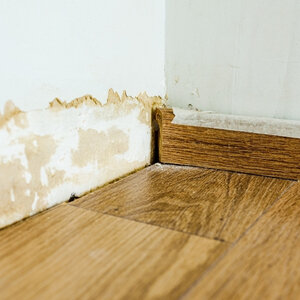
Cash sales stopped being a fire-sale outcome a while ago. They’re a normal tool now for people whose timeline matters more than their last few percent.
Financial pressure explains part of it. In June 2026, Illinois posted one of the five worst foreclosure rates in the country, roughly one filing for every 2,624 housing units. Lenders completed 1,543 repossessions statewide in the first half of the year, per ATTOM’s midyear foreclosure report. A homeowner two payments behind can often still sell with equity intact by moving early.
Supply is tight, which cuts both ways. Illinois REALTORS counted 22,363 homes available statewide in July 2026, 4.7% fewer than the July before. Good houses move, which does nothing for the owner of a house that needs a roof, a furnace, and a mold remediation invoice.
Landlords are a growing share of my calls. Between property tax increases, turnover costs, and collecting rent from a unit you now live 700 miles from, plenty of small owners are done. Selling with tenants in place is routine for a cash buyer and something a retail buyer won’t touch. Probate sales land the same way when one heir lives in Naperville, and two are out of state. Running a company that buys houses in Naperville, IL, I’ve closed plenty of those with the heirs on a conference call.
Then there are the houses that simply won’t finance. Active water damage, knob-and-tube wiring, or an open insurance claim can cause an appraisal or an FHA inspection to fail outright. No loan, no retail buyer, so cash is the only route to a closing table for those homes.
We Buy Houses in Illinois in Any Condition, Any Situation
“You’d really buy it with the basement like that?”
Yes. I’ve bought houses where the sump pump died the previous spring, and the carpet pad turned into a science experiment. Water damage doesn’t scare me; it’s a line item. Uncertainty is what scares retail buyers, and my job is to price that uncertainty rather than ask you to clear it first.
The list of conditions is long: fire damage, foundation cracks, roofs with tarps, kitchens from 1962, and hoarding that took four dumpsters. Your situation matters as much as the house does. Divorce with two people who aren’t speaking. An inherited property where one sibling wants to keep it and two want out. A pending foreclosure with a sale date on the court calendar.
You don’t clean, and you don’t stage. Leave what you don’t want, down to the freezer in the basement and the paint cans in the crawlspace. Take the photo albums, the tools you use, anything with a title on it. Everything else becomes my disposal problem. Worth saying plainly, because plenty of relocating sellers burn a weekend hauling furniture nobody asked them to haul.
No financing contingency, because there’s no lender. No appraisal contingency either, since nobody is underwriting a loan against a number picked by a third party. Inspections happen, but they’re mine, done once, and they don’t turn into a repair-credit negotiation two days before closing.
I’ll say the unpopular thing. If your house is in good shape in a desirable pocket like Elmhurst or Edison Park, and you have four months, list it. You’ll likely net more. Cash buyers earn their spread on houses that the retail market punishes, not on well-kept homes with patient owners. Knowing which category you’re in is the whole decision.
Who Are the Trusted Cash Home Buyers in Illinois?
“Anyone can put up a website that says we buy houses.” Fair objection. The barrier to entry here is a phone and a domain name, and plenty of operators around Chicago have never closed a sale with their own money.
Do your homework before you sign anything with us. Ask for proof of funds from an actual bank, not a letter from a private lender you’ve never heard of. How many properties has the buyer closed in the last 12 months, and where? Get the title company’s name and the attorney they use, then call that office to confirm the relationship exists.
Earnest money is the next question, specifically where it sits. A serious buyer puts a deposit with the title company or the attorney, never in their own pocket. A confident one will make part of it non-refundable once the inspection period ends.
Read the contract for an assignment clause. Wholesalers put your house under contract and shop that contract to other investors, and if nobody bites, they walk, and you’ve burned three weeks. A buyer who intends to close will tell you plainly whether they’re assigning.
Local knowledge matters more than sellers expect. Illinois REALTORS put the city of Chicago’s median sale price at $425,000 in July 2026, up 13.3% in a year. Citywide figures hide enormous variation between Beverly and Belmont Cragin, between Bronzeville and Bucktown. A buyer pulling comps off a screen from another state will lowball you or renegotiate later. We work these markets directly, block by block, and our numbers hold up at the closing table. The same holds for cash house buyers in Aurora, IL, where a street of older ranches can price differently than the subdivision behind it.
One more test, the simplest. Does the person on the phone ask about your timeline before asking about your price?
How Does the Cash Home Buying Process Work in Illinois?

Get this part wrong, and you’ll sign a contract that ties up your house for 45 days, giving the buyer every exit and you none. I’ve read contracts with inspection periods so open-ended that the buyer could cancel for any reason right up to closing. That isn’t a cash offer; it’s an option on your house, and you pay for it with time.
A clean process looks like this. You contact us by phone, form, or text and give the basics: address, condition, occupancy, and whether there’s a mortgage or a lien. A walkthrough will follow in a day or two. Nobody needs the house spotless, and nobody needs you standing there. A neighbor with a key, a lockbox, or a video call all work.
What I want to see is the mechanical room, the roofline, the basement floor, and enough of each room to know what’s behind the walls. Then comes the offer, typically within 24 hours, written and itemized. You should hear the buyer’s after-repair value, the repair budget, and which closing costs they’re absorbing.
Signing the contract starts the title work. The title company conducts a title search for liens, unpaid property taxes, judgments, and any old mortgages that were never released. Your attorney reviews the contract and the settlement statement before you sign anything final. If a surprise surfaces, an old contractor’s lien or a divorce decree recorded incorrectly, it’s better now than during a retail buyer’s lender review.
On taxes: the state collects 50 cents per $500 of value; counties may add 25 cents per $500; and home-rule municipalities can layer on their own. The Illinois Department of Revenue explains the stamp process, and Chicago sits separately from that. Some villages want a stamp application, a final water read, or an inspection first, so ask your attorney early.
Closing lands on your date. That might be about 7 days, or 60 if you need to finish the school year. A legitimate buyer flexes to your calendar, and your proceeds are wired the same day the deed records.
One practical note on that wire. Confirm your account details by voice with your attorney or the title company, using a phone number you looked up yourself, never one from an email. Wire fraud loves relocating sellers, coordinating everything by email from a new city.
What Do Our Illinois Home Sellers Say About Us?
Nineteen days. That’s the tightest window I’ve ever worked within for a relocating seller, a nurse with a start date at an out-of-state hospital, and a two-flat she couldn’t manage remotely.
What sellers tell us afterward barely changes. Certainty comes up first, almost every time. Not price, not speed, but knowing on a Tuesday what would happen the following Monday. No open houses either, and no lowball offer with a 40-page addendum. A retail listing offers a possibility. A signed cash contract offers a date.
An owner in Berwyn watched two agent listings expire without a single offer. Aluminum awnings, a kitchen untouched since the Reagan administration, a garage stacked with his late father’s woodworking equipment. He’d stopped believing anyone would buy the house. We wrote an offer that afternoon, he kept the table saw, and we hauled the rest.
Frequently Asked Questions
What Is the Hardest Month to Sell a House?
Late fall and deep winter run slowest here, and the stretch from Thanksgiving to the end of January is hardest of all. Buyer traffic drops. Curb appeal vanishes under gray slush, and the families who drive the spring market are locked into school schedules. Houses do sell in January. They just sell slower, with fewer competing offers, so pricing sharpness matters more than usual.
Will House Prices Go Down in Illinois Next Year?
Nobody can promise you a forecast, and anyone who does is guessing. Illinois has been running on thin inventory, which has propped up values even as mortgage rates have remained uncomfortable. If supply loosens and rates ease, price growth probably cools before it reverses. For a relocating seller, the forecast matters less than your own timeline, since a few points of appreciation rarely beat the cost of carrying an empty house.
How Much Would a Real Estate Agent Make on a $300,000 House?
Commissions in Illinois generally run from 2.5% to 3% per side, though everything is negotiable since the rules around buyer-agent compensation have changed. On a $300,000 sale, a listing-side commission of 2.75% works out to roughly $8,250, and that check goes to the brokerage before the agent’s split. If both sides get paid from your proceeds, budget for close to double, plus attorney, title, and transfer stamps.
What Can I Do to Get My House to Sell Faster?
Price it right the first week, because your listing draws its biggest audience the day it hits the MLS and never gets that attention back. Beyond price, clear the clutter, use a lockbox instead of appointment-only showings, and handle the obvious defects a buyer’s inspector will flag anyway. If the house needs more work than you can fund from another state, a direct sale skips the whole sequence.
If you’re relocating and want to talk through what your Illinois house is really worth on each path, we’re glad to walk it and give you a straight number. No pressure, no obligation, and no hard feelings if listing turns out to be the better move. Reach out to A Team Real Estate Solutions whenever you’re ready, and we’ll work out the timeline that fits your move.
Helpful Illinois Blog Articles
- Key Documents You Need to Know to Sell Your House in Illinois
- Selling My Parents’ House in Illinois
- Do Open Houses Still Work When Selling A Home in Illinois?
- Sell Your House With Delinquent Property Taxes In Illinois
- Sell Your House During Divorce In Illinois
- Can You Sell A House with A Mortgage in Illinois
- Earnest Money Rules in Illinois
- Do You Need a Deed to Sell a House in Illinois
- Selling A House That Needs Repairs in Illinois
- How Much Do Realtors Charge to Sell A House in Illinois
- Difference Between Title and Deed
- Who Pays HOA Fees At Closing In Illinois
- How To Sell A House Held In Trust After Death In Illinois
- Who Pays For Home Appraisals And Inspections In Illinois
- Can You Sell a House With Termites in Illinois
- Relocation Made Easy: Sell Your Illinois House Fast for Cash