![Selling A House That Needs Repairs [market_city]](https://image-cdn.carrot.com/eyJidWNrZXQiOiJwcm9kdWN0aW9uLmNhcnJvdC11cGxvYWRzLm9uY2Fycm90LmNvbSIsImtleSI6InVwbG9hZHMvc2l0ZXMvNDg0NDQvMjAyNi8wNi9TZWxsaW5nLUEtSG91c2UtVGhhdC1OZWVkcy1SZXBhaXJzLnBuZyIsImVkaXRzIjp7InJlc2l6ZSI6eyJ3aWR0aCI6MTE1Mn0sInRvRm9ybWF0Ijoid2VicCIsIndlYnAiOnsicXVhbGl0eSI6NzB9fX0=)

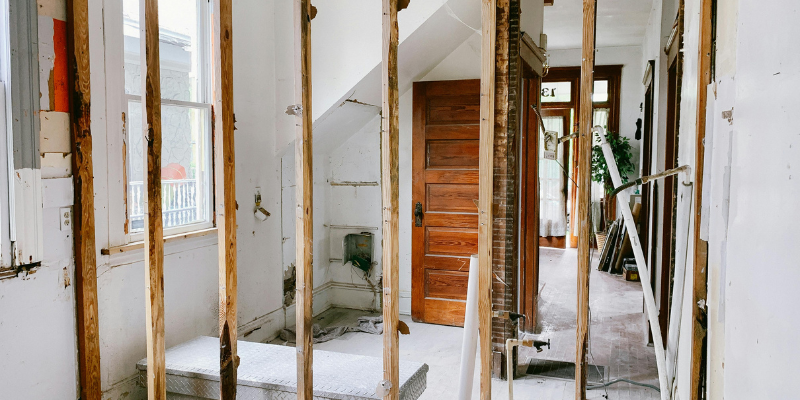
Most homeowners who call me aren’t panicking about their property’s condition. They’re panicking about time, money, and not knowing what comes next. A leaking roof in Rockford, a dated kitchen in a Joliet ranch house, a foundation crack in a South Side bungalow: none of those things automatically mean you’re stuck. What gets people stuck is bad information, or no information at all.
You have real options here in Illinois. Selling a house that needs repairs in Illinois does not have to be the ordeal most sellers brace for, and it costs nothing to see how we buy houses before you commit to anything. This article walks through every option, so you can choose the one that actually fits your situation.
What the Illinois Market Means for an As-Is Sale
The Delgados called me on a Tuesday morning from Naperville, right in the middle of a divorce that had already dragged on for eight months. They had a house with a sunroom that had been leaking for two seasons and a garage full of the previous owner’s stuff that neither of them wanted to sort through. A couple of weeks ago, we closed on the property in under three weeks. They split the proceeds, moved on, and didn’t have to argue about a single repair estimate.
Statewide, the median home price in Illinois climbed to $315,000 as of March 2026, up 6.8 percent from the year before. A rising market helps sellers in all conditions, including those selling properties that need work. Homes in Illinois sold for a median price of $333,814 in May 2026, and the typical home sat on the market for 50 days before going under contract (faster in stronger Chicago suburbs).
The 50-day window matters a lot if your house needs repairs, because every week you’re waiting, you’re paying property taxes, insurance, and possibly a mortgage. Illinois property taxes are among the highest in the country, so carrying costs add up in a hurry. In Cook County specifically, the effective property tax rate frequently exceeds two percent of market value, which means a home worth $250,000 is costing its owner over $400 a month in taxes alone, before insurance or any mortgage payment. Selling as-is means trading a bit of price for speed and certainty, and for many sellers (especially those already carrying another mortgage), that math works out in their favor.
Inventory across the state is tight, which actually benefits owners of fixer-uppers right now. Statewide, there were only 17,099 homes on the market in March 2026, a full 7.7 percent fewer than the same time the previous year. When buyers have fewer choices, they’re more willing to take on a property with deferred maintenance. This marks a real shift from the market just a few years ago. In practical terms, it means that a well-priced fixer-upper in a desirable neighborhood, say, a brick two-flat in Pilsen or a ranch house near the Metra line in Joliet, can attract multiple offers even when it needs significant work. Tight inventory compresses buyer selectivity. It’s a genuine advantage for sellers who understand how to use it.
What Does As-is Condition Mean in Real Estate?
Listing a home as-is does not mean you can hide what you know about it. That’s the piece most articles skip. In Illinois, the Residential Real Property Disclosure Act requires almost every residential seller to complete a 24-item disclosure form covering everything from water infiltration to the condition of the HVAC system, roof, and plumbing. Marking “as-is” on your contract tells the buyer you won’t negotiate repairs after inspection. It does not give you a pass on disclosing what you already know.
Sellers who try to skip disclosure on issues like basement flooding, lead-based paint in pre-1978 homes, or a failing water heater can face a rescinded contract, legal liability, or both. This is not a scare tactic; those are the real consequences Illinois courts have enforced, and I’ve watched deals unwind over exactly this.
What as-is actually does, practically speaking, is simplify the transaction. The buyer understands what they’re getting. You’ve said upfront that the price already reflects the property’s condition. This eliminates the back-and-forth after inspection where buyers send a list of 40 items and ask for $15,000 in credits. As an investor who’s bought properties across every condition imaginable, I’ve found that clear as-is terms actually produce cleaner closings than repair-negotiation deals, because both sides know where they stand from day one.
It also removes the emotional friction that derails so many traditional real estate transactions. In a conventional sale, a buyer’s inspection can uncover issues such as a cracked furnace heat exchanger, aging roof components, or deteriorating chimney mortar, often leading to renewed negotiations, repair requests, or even a canceled deal. With an as-is sale, both parties understand from the outset that the agreed-upon price reflects the property’s current condition. Because of that understanding, inspection findings are less likely to trigger last-minute disputes, helping transactions move forward smoothly and making it easier for homeowners looking to sell their house fast in Illinois.
Homeowners in Cook County and Lake County should also pay close attention to disclosure requirements, particularly if the property has a history of basement flooding or water intrusion. Buyers, inspectors, and real estate attorneys in these markets are experienced in identifying and scrutinizing such issues. Providing accurate and complete disclosures upfront can help avoid delays, reduce legal risks, and support a faster, more efficient sale process.
Which Types of Homes Are Typically Sold As-is in Illinois?

With that disclosure framework in mind, it’s worth getting specific about what kinds of properties actually end up in as-is transactions. They fall into a few clear categories, and you might recognize your own situation in one of them.
Inherited properties make up a large share. When a family inherits a home in Springfield or Waukegan, often nobody has lived there for months or years. The HVAC system may be outdated, the roof may need work, and the property might have personal belongings throughout. The heirs don’t want to manage a renovation project; they want to settle the estate. In many of these cases, the property is also going through probate, which adds a legal layer to the timeline. Illinois probate can take anywhere from several months to over a year, depending on the complexity of the estate, and an as-is cash sale can often be structured to close once probate clears, giving heirs a defined endpoint without requiring anyone to maintain or repair the property in the meantime.
Homes that belong to sellers facing financial pressure, including pre-foreclosure situations, are another common category. In July 2026, Illinois recorded 1,861 properties with foreclosure filings, roughly one in every 2,933 housing units. Many of those owners can still sell before a foreclosure goes final, and selling as-is to a cash buyer is often the fastest path out of a genuinely bad situation.
Landlords selling rental properties after long tenancies are a third group. A house in Berwyn or Harvey that’s had tenants for a decade rarely looks like a model home. Deferred maintenance piles up, and most landlords don’t want to pour money into a property they’re trying to exit. In some cases, the property may still have tenants in place, which creates an additional layer of complexity for buyers using traditional financing. Cash investors, by contrast, are generally comfortable purchasing tenant-occupied properties and navigating the Illinois eviction or lease transition process themselves.
Finally, there are sellers who simply can’t afford repairs before listing, whether they’re on a fixed income, dealing with a job loss, or carrying the property after a difficult life event. None of those circumstances makes someone a bad seller. They just mean the traditional listing process isn’t the right starting point.
What Is Your Illinois Home Actually Worth Before You List It?
A homeowner in Evanston once told me she thought her house was worth the full market value because her neighbor’s house sold for a good price. Her neighbor’s house had a new roof, an updated kitchen, and fresh landscaping. Her house had a 20-year-old HVAC system, original windows, and water stains on the basement walls. The gap between those two prices wasn’t a little; it was north of $40,000.
Your home’s actual value before you list it depends on what comparable properties in your neighborhood sold for, adjusted for your property’s condition. A comparative market analysis from a real estate agent or a local investor will pull recent sales data and then discount your price for deferred maintenance items. This isn’t guesswork; experienced buyers and real estate agents use a consistent methodology to determine what buyers will actually pay.
The adjustment formula is roughly this: take the as-repaired value of the home, then subtract the estimated cost of all needed repairs, plus a profit margin for whoever does the work, plus the time and carrying costs involved. A property that would sell for $280,000 fully renovated might realistically fetch $185,000 to $210,000 as-is, depending on what it needs.
The size of that gap varies meaningfully by location within Illinois. In Chicago’s North Side neighborhoods, where demand from both investors and owner-occupants is intense, a well-located fixer-upper might compress that discount because competition bids the price back up. In smaller downstate markets like Decatur or Danville, where the investor pool is thinner and days on market are longer, the discount tends to be wider. Knowing your local market, not just the statewide average, is what produces an accurate number you can actually negotiate from.
Do not rely on online Zestimate-style tools for a property in poor condition. Those algorithms pull comps from the neighborhood without knowing your house has a roof that’s past its useful life or a furnace from 2001. Get eyes on the property. A real walk-through produces a far more accurate picture.
What You Must Legally Disclose When Selling a House in Illinois
765 ILCS 77/35, the section of Illinois law governing residential property disclosures, carries real teeth. Sellers who knowingly conceal material defects can face a lawsuit from the buyer even after closing, so the transaction being “done” doesn’t protect you the way most sellers assume. The risk doesn’t expire when you hand over the keys.
The disclosure form covers a broad list of systems and conditions: the roof, basement, and crawl space, heating and cooling systems, plumbing, electrical, any known flooding or water damage, presence of underground storage tanks, boundary disputes, and more. If your roof has a known leak, you disclose it. If your plumbing has a history of backing up, that goes on the form. If you know there’s an active or past pest infestation, that’s disclosed too.
Sellers often ask whether they can just say “unknown” to everything. You can write “unknown” only if you genuinely don’t know, but Illinois courts have found that a seller who lived in a home for years and claimed not to know about recurring basement flooding isn’t credible. The standard is actual knowledge, and courts interpret that broadly.
One nuance specific to the City of Chicago: the city has its own building code inspection requirements for certain transactions, separate from the state disclosure process. If you’re selling within Chicago city limits, check with a real estate attorney or a knowledgeable broker about any municipal-level transfer requirements in your ward. Some Chicago neighborhoods also have specific water recertification requirements tied to the city’s water billing system, which can surface during the title process and delay closing if not addressed early.
Sellers in a short-sale or pre-foreclosure situation still have to disclose. This is a mistake I see people make repeatedly. The financial urgency of those situations sometimes leads sellers to believe they can shortcut the process, but the legal obligation doesn’t change based on your circumstances. Fill out the form completely and honestly. It protects you as much as it protects the buyer.
Should You Sell As-is or Make Repairs Before Listing?
Sit down and run the real numbers before you do anything. It’s the most important thing I’d tell you across the kitchen table, because most sellers I talk to have already made up their mind based on a gut feeling rather than actual math.
Think through it this way. If a repair costs you $8,000 to complete but only adds $5,000 to your sale price, that’s a $3,000 loss, not an investment. Certain repairs reliably recoup their cost in Illinois, but many don’t. A full kitchen remodel almost never pays back dollar-for-dollar on a mid-range house in Peoria or Rockford. A roof replacement, on the other hand, removes a major buyer objection and opens up your property to buyers using conventional financing. Replacing a failed sump pump in a DuPage County basement, which might cost $400 to $600 installed, can prevent a buyer from using a wet basement as leverage for a far larger post-inspection credit. Those are the repairs worth evaluating seriously: low cost, high buyer perception impact.
The other factor is time. Repairs take weeks, sometimes months. Every week you hold the property, you’re paying carrying costs. For a home with a $2,000-per-month cost basis between taxes, insurance, and a mortgage, a two-month renovation project costs $4,000 before you’ve spent a dollar on materials. Add in the fact that contractors in suburban Cook County and the Collar Counties are booked out weeks in advance right now, and your two-month estimate can easily become four.
In our experience buying houses in Chicago, many sellers overestimate the value that repairs and renovations add to their home while underestimating the true costs involved. A properly priced as-is sale to the right buyer can often leave more money in a seller’s pocket than spending weeks on updates, paying for holding costs, and covering agent commissions. For homeowners looking to sell quickly and avoid the hassle of repairs, working with a company that buys houses in Chicago can be a simpler and more profitable option. The same math holds out in the suburbs, which is why owners searching for cash home buyers in Joliet so often skip the repair list entirely.
Easy, High-impact Repairs That Attract Buyers Without Breaking the Bank

What if you want to do something, but you don’t have a big budget?
Not every improvement has to be a renovation. Some of the highest-ROI moves before a sale cost under $500 and take a weekend. A fresh coat of neutral paint throughout the interior is the single most cited upgrade by real estate agents and investors alike: it makes every room feel cleaner, newer, and larger. You can repaint a typical Illinois ranch house yourself for well under $300 in materials. Stick with warm whites or soft greiges rather than anything trendy or bold, because a bold color that you love can stop a buyer cold. The goal is to make the space feel like a blank canvas, not to express a design preference.
Curb appeal is the other high-leverage area. Buyers in Schaumburg, Oak Park, and Downers Grove form their first impression before they get out of the car. Mulch in the beds, trimmed hedges, and a clean front door can shift that impression meaningfully. None of that requires a landscaping company. A bag of hardwood mulch runs about $5 at any home improvement store, and a single Saturday morning can transform the front of a house that’s been neglected for a season or two.
Inside the house, focus on what buyers will physically notice and smell. A deep clean costs $150 to $300 for a professional service and removes the musty odor that tanks perception immediately. Fix any running toilets or dripping faucets; a dripping faucet in the kitchen tells buyers that maintenance has been ignored everywhere, even if the rest of the house is fine. Replace burned-out light bulbs in every fixture, and make sure each room has adequate lighting for showings. Buyers touring a dim house at 6 p.m. on a weekday will leave with a worse impression than the property deserves, so a few dollars in bulbs is one of the cheapest perception fixes you can make.
Things not worth touching: cosmetic remodels, full bathroom overhauls, new appliances, or any project that requires a permit and an inspection before you can list. Those take time, carry permit risk, and almost never return their cost on a sale.
How to Finance Repairs Before You Sell Your House in Illinois
For years, I used to advise sellers to just skip repairs entirely and price accordingly. Then I started seeing deals fall apart because buyers couldn’t get financing on properties with specific deficiencies, and I had to change that position.
Some repairs genuinely gate your buyer pool. Lenders backing FHA loans, for example, won’t approve financing on a property with a peeling roof, missing handrails, exposed wiring, or broken windows. If you want access to buyers using government-backed lending, those items have to be addressed. Meeting the minimum habitability standards set by the lender is the goal, not a full renovation. VA loans carry similar minimum property requirements, and even some conventional lenders will flag safety issues during the appraisal process. Knowing which repairs trigger lender requirements, versus which are simply cosmetic, helps you spend selectively rather than broadly.
For sellers who need cash to fund those repairs before closing, a few options exist in Illinois. A bridge loan or short-term personal loan can cover modest repair costs. Some sellers in Cook County and the surrounding Collar Counties use home equity lines of credit if they still carry equity in the property. Local Illinois credit unions often have more flexible terms on short-term lending than national banks, which is worth a phone call before you assume financing isn’t available.
Another option worth asking about: some real estate investors will advance the cost of minimum required repairs as part of the purchase agreement and then deduct that cost at closing. This keeps the seller from having to come out of pocket before they’ve received any proceeds. Not every investor offers this, but it’s worth asking.
How Much Money Do You Lose Selling a House That Needs Repairs?
Selling as-is costs money, but so does not selling as-is.
When you list a property in need of repairs on the traditional market, buyers and their agents will use the condition against you at every stage: during offer negotiation, after inspection, and during appraisal. By the time you’ve accepted a lowball offer, given repair credits post-inspection, and paid closing costs plus agent fees, your net may not be as different from an as-is cash sale as you’d expect.
On a traditional sale in Illinois, total seller costs add up fast. Closing costs alone average around 2.92 percent of the sale price, and realtor fees add another 5.53 percent on average. Stack on top of that any repair credits negotiated after inspection, concessions offered to close the deal, and months of carrying costs (property taxes keep running the whole time), and the gap between an as-is cash offer and a traditional sale narrows quickly.
The discount on a true-as-is cash sale depends heavily on what the property needs. A house requiring only cosmetic work might sell for 90 to 95 cents on the dollar. A property with a failing roof, outdated HVAC system, and plumbing issues might come in at 70 to 80 cents. That difference sounds large, but account for what you’d actually spend to bring those systems up to market condition (contractors aren’t cheap right now), and the delta shrinks.
It’s also worth factoring in the certainty premium. A cash offer that closes in three weeks is worth something beyond the dollar amount. If you’re paying a mortgage, taxes, and insurance on a property you’re trying to sell, every month that deal drags out costs you real money. A traditional sale that nets $10,000 more on paper but takes four extra months to close may actually put less money in your pocket once you account for those carrying costs. Run the full calculation, not just the sale price comparison.
Do the math for your specific house. General percentages don’t tell the story; your property’s specific repair list, your timeline, and your carrying costs do.
How to Minimize Financial Losses on a Fixer-upper Sale
Sellers expect that pricing their home slightly below market will be enough to move it quickly. Where that breaks down is in what happens after the offer comes in. A buyer using conventional financing on a discounted fixer-upper still needs a clean inspection. Their lender will still require an appraisal. If the appraiser flags the leaking roof or the aging HVAC system, the lender can require repairs before closing, putting you right back in the middle of the renovation conversation you were trying to avoid. That’s where sellers discover the gap between a lender demand and a buyer’s wish list. It’s worth knowing what sellers are legally required to fix after closing before you write any checks.
To protect yourself, get a pre-listing inspection. Spend $300 to $400 to know exactly what a buyer’s inspector will find. That information lets you price correctly from the start, avoiding a price reduction later, and it lets you make strategic decisions about which repairs to address and which to disclose and price around. A pre-listing inspection also signals good faith to buyers. When a seller hands over an existing inspection report upfront, it builds credibility and reduces the chance that a buyer’s inspector will find something unexpected that blows up the deal in the final week.
Price the home accurately from day one. Properties that start too high and drop in price sit longer, accumulate “days on market” stigma, and attract lower offers as a result. An accurate price on day one brings more buyers, more quickly, and better offers.
Targeting cash buyers and investors specifically removes all financing contingency risk. One pattern I keep seeing: sellers who skip the pre-listing inspection end up losing more in post-inspection negotiations than they would have spent on the inspection itself. That’s a mistake you can avoid cheaply.
How to Market a Fixer-upper Home to the Right Buyers
A fixer-upper can move quickly, but only if you price it correctly and put it in front of the right people. The mistake most sellers make is listing a fixer-upper the same way they’d list a turnkey home: same photos, same vague language, same hope that someone will fall in love with it. That strategy wastes time. A property that needs a new roof and updated plumbing is not competing with the renovated Cape Cods in Elmhurst. It’s competing with other fixer-uppers, and its buyer is an investor, a contractor, or a buyer who specifically wants to put their own mark on a home.
Your listing language matters. Phrases like “investor special,” “cash buyers preferred,” or “priced for condition” attract the right audience and filter out buyers who aren’t prepared for the reality of the property. That saves everyone time and reduces the chance of a contract falling through. It’s also worth being specific in the listing about what the property offers beyond its condition: lot size, location relative to transit or schools, the bones of the structure, square footage, or a large garage. Investors and savvy buyers make decisions based on potential, and your listing should give them the information they need to see it.
Photos should be honest but well-composed. Bright, clean photos of a property that shows its bones, even if it needs work, will outperform dark, blurry photos every time. Show the layout, the lot, and anything structurally sound and appealing. Hide nothing.
If you’re comfortable working with a real estate agent on an as-is listing, make sure they have experience with fixer-upper properties and distressed sales specifically. A generalist broker who mostly handles move-in-ready homes in Hinsdale is not the right fit. Ask directly about their experience with investor buyers and as-is transactions in your price range. Ask how many distressed properties they’ve closed recently and what their average days on market looked like for those listings. Those questions separate agents who understand this niche from those who are guessing.
How to Choose the Right Sale Method in Illinois
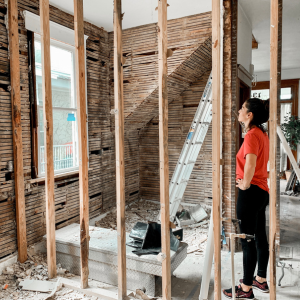
Getting the sale method wrong costs you real money. Sellers who skip price discovery, accept the first offer without comparison, or sign a purchase agreement without understanding Illinois-specific closing mechanics routinely leave thousands on the table, or worse, find themselves in a deal that falls apart two weeks before closing.
The most common failure point I see is sellers who list as-is with a traditional agent, get an offer from a retail buyer using FHA financing, and then discover 30 days into the contract that the lender will only fund after specific repairs are completed. That deal unravels, the house goes back on the market, and the seller has lost six to eight weeks. Retail buyers with conventional or government financing need properties that meet lender habitability standards. If your property doesn’t meet those standards, you need either a cash buyer or a buyer who is pre-approved for a renovation loan.
Elena Reeves found this out the hard way in Galesburg, in west-central Illinois. She’d listed her late mother’s house twice with different agents, priced it below the neighborhood average both times, and sat through two listing periods that expired without a single closed offer. The second listing actually produced a contract, but it fell apart after the inspection revealed the furnace and the roof both needed replacement, and the buyer’s lender balked. Between the two listing periods and the failed contract, Elena had spent nearly five months managing a property two hours from where she lived, covering the utility bills and insurance the entire time. She eventually reached out to a cash buyer, who walked through the property, made an offer the same week, and closed without any repair demands. Elena didn’t have to touch the house.
The takeaway is simple: choosing the right sale method based on your property’s condition is the most important decision you’ll make. If your home needs repairs, updates, or a quick sale, A Team Real Estate Solutions buys houses for cash. Call us today. Cash buyers and local investor teams are designed for situations like these, offering a faster, more convenient alternative to the traditional market. We buy across the metro, so sellers looking at we buy houses in Naperville get the same as-is terms as anyone in the city. Use them to sell on your timeline and move forward with confidence.
Frequently Asked Questions
Is It Hard to Sell a Home That Needs Repairs?
It depends entirely on how you approach the sale. Listing a fixer-upper with a traditional agent to retail buyers can be a frustrating experience, because financing contingencies and post-inspection repair demands often derail deals. Selling directly to a cash buyer or an investor removes most of those obstacles. The process is typically faster, and the certainty of closing is much higher.
What Is the 3-3-3 Rule in Real Estate?
There is no single 3-3-3 rule, which is why you will see it explained two different ways. Most often it describes a buyer affordability guideline, sometimes written 30/30/3: keep housing costs near 30 percent of gross income, have about 30 percent of the purchase price saved, and cap the price at roughly three times annual income. Rental investors use a different version built on three time horizons, three months to stabilize a property, three years to prove its economics, and three decades to build equity. Neither version tells you how to price a house that needs repairs. If a buyer brings it up while making an offer, ask them to walk you through how they got to their number.
What Should I Not Fix Before Selling a House?
Skip any project that won’t return more than it costs, which covers most major renovations. Full kitchen or bathroom remodels rarely pencil out on a sale. New appliances don’t add enough to the sale price to justify the expense. Skip anything that requires permits and inspections that could create delays. Your energy is better spent on cleaning, fresh paint, and fixing the obvious functional issues that will show up on an inspection report and give buyers negotiating leverage.
How Do I Price a Home That Needs Repairs?
Get a comparative market analysis from a local agent or investor who knows your specific neighborhood, then work backward from the as-repaired value. Subtract the realistic cost of needed repairs, a margin for the buyer’s risk and time, and any carrying costs they’ll face during renovation. If two or three comparable properties in your zip code have sold recently, that gives you a ceiling. Your price should sit below that ceiling by enough to make the property attractive to buyers who will bear the cost of the work. Overpricing a property in poor condition is the fastest way to watch it sit.
Helpful Illinois Blog Articles
- Key Documents You Need to Know to Sell Your House in Illinois
- Selling My Parents’ House in Illinois
- Do Open Houses Still Work When Selling A Home in Illinois?
- Sell Your House With Delinquent Property Taxes In Illinois
- Sell Your House During Divorce In Illinois
- Can You Sell A House with A Mortgage in Illinois
- Earnest Money Rules in Illinois
- Do You Need a Deed to Sell a House in Illinois
- Selling A House That Needs Repairs in Illinois
- How Much Do Realtors Charge to Sell A House in Illinois
- Difference Between Title and Deed
- Who Pays HOA Fees At Closing In Illinois
- How To Sell A House Held In Trust After Death In Illinois
- Who Pays For Home Appraisals And Inspections In Illinois
- Can You Sell a House With Termites in Illinois