Asbestos gets a bad rap, but it’s really not the deal-breaker you think it is. If you have an older home in Illinois and are ready to sell, chances are that asbestos has crossed your mind at least once. You’ve probably seen those vintage floor tiles or that textured ceiling and thought it’s impossible to sell.
But selling a house with asbestos happens all the time in Illinois. However, you need to follow the rules and know what you’re working with. Here’s a detailed walk-through of how you can sell your property with asbestos in Illinois.
What is Asbestos and How Does It Affect Home Value?

Asbestos is a naturally occurring mineral that builders loved because it didn’t burn and handled heat exceptionally well. They stuffed it into insulation, wrapped it around pipes, mixed it into floor tiles, and sprayed it on ceilings. If your home was built before 1980, there’s a good chance asbestos is present somewhere inside.
The trouble started when people realized breathing asbestos fibers causes lung cancer, mesothelioma, and other nasty respiratory diseases. The EPA began restricting asbestos use in the late 1970s and eventually banned most new uses in 1989. However, all those older homes still have it, and it becomes dangerous only when it becomes disturbed and releases fibers into the air.
Can You Sell a House with Asbestos in Illinois?
You don’t have to remove asbestos before selling in Illinois. State law allows you to list and sell your property with asbestos-containing materials still present. This is actually pretty common since removal can cost thousands of dollars and isn’t always necessary.
What you can’t do is hide it. The Illinois Residential Real Property Disclosure Act requires sellers to disclose known material defects, which include asbestos.
If you’ve had testing done or renovations that confirmed asbestos, you need to put that information on your disclosure form. Lying or leaving it out can give you a legal headache after closing.
Illinois Asbestos Disclosure Requirements for Home Sellers
As per the Illinois disclosure laws, you’ve got to fill out this Residential Real Property Disclosure Report before you close. It specifically asks about environmental hazards. Asbestos is right there on the list. The state wants buyers to know what they’re buying, plain and simple.
Now, you’re only on the hook for disclosing what you actually know. If you’ve never tested for asbestos and no contractor has ever mentioned it during repairs, you’re not required to go dig around looking for it.
But the moment you know, whether from an inspection, a renovation project, or even your uncle who worked construction and pointed it out, that information needs to go on the disclosure form. No exceptions.
What Happens If You Don’t Disclose Asbestos
You’re setting yourself up for a lawsuit if you do not disclose asbestos. Buyers who find out after closing that you knew about asbestos and stayed quiet can take you to court. These cases rarely go well for sellers.
You could end up covering removal costs and paying their legal fees. You have to deal with months of stress you didn’t need.
What really gets sellers in trouble is thinking they can play dumb. Maybe you had an inspection five years ago that mentioned asbestos, or a contractor told you about it during a kitchen remodel. Those records don’t just disappear.
Buyers’ attorneys love finding old paperwork that proves you knew all along. Save yourself the stress and just be straight about it from day one.
How to Identify Asbestos in Your Illinois Home
You can’t just eyeball asbestos and know for sure it’s there. It’s mixed into other materials, so that old floor tile or ceiling texture might have it or it might not.
Age is your biggest clue. Homes built before 1980 are way more likely to have asbestos than newer builds. But guessing doesn’t cut it when you’re trying to sell.
The only way to know for certain is through testing. You can grab a DIY kit from a hardware store for around thirty to sixty bucks, collect samples yourself, and mail them to a lab. Or you can skip the risk of disturbing the material and hire a certified asbestos inspector to do it for you.
Most sellers go the professional route because it’s safer. Buyers also tend to trust those reports more than a DIY job.
Common Places Asbestos Hides in Houses
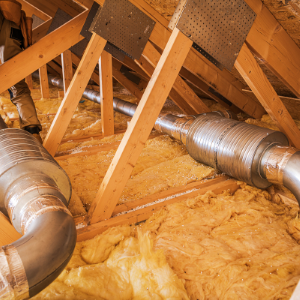
The asbestos is central in older Illinois homes, in the basement. But here are some other areas where you’re most likely to find it:
- Pipe insulation wrapped around your furnace or boiler
- Nine-inch floor tiles in the utility room or basement
- Popcorn ceilings were installed before the mid-1980s
- Attic insulation, especially the loose-fill kind
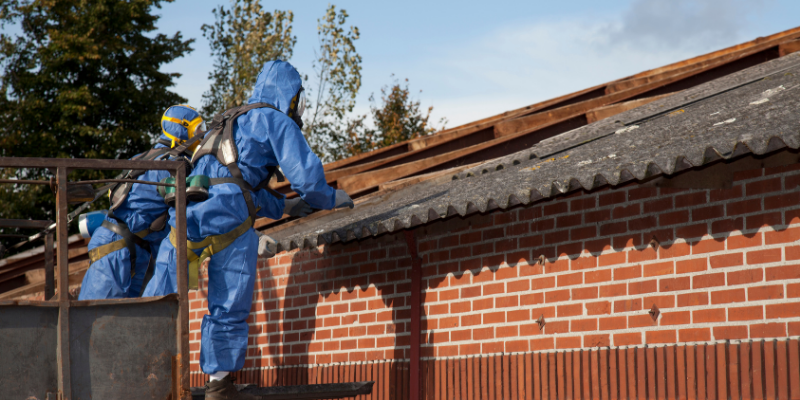
- Old roofing shingles and cement sheet siding
- HVAC duct insulation
- Textured wall paints and patching compounds
Basically, if it was built to resist heat or fire and it’s been there since the ’70s, it’s worth testing. Don’t mess with any of this stuff yourself. Disturbing it releases those fibers into the air, which is exactly what you’re trying to avoid.
Asbestos Testing Options for Sellers
As mentioned, there are two ways to test for asbestos, and both have their pros and cons. Here’s a breakdown of what actually makes sense for your situation.
At-Home Asbestos Testing Kits
DIY kits are cheap and easy to find at most hardware stores or online. As we’ve discussed, you collect a small sample of the material you’re worried about, seal it up in the container they provide, and ship it off to a lab.
Results usually come back within a week or two. You’re looking at spending around fifty bucks per sample.
The catch is you’re the one cutting into that tile or scraping that ceiling texture. If asbestos is actually there, you’re releasing fibers while you collect the sample. You need to wear protective gear, seal off the area, and follow the instructions exactly.
Most people don’t want to take that risk. Moreover, buyers might question your results since you’re not a certified professional.
Professional Asbestos Inspection and Testing
Hiring a licensed asbestos inspector costs more upfront. It’s usually between $200 and $800, depending on how many samples they take. But these people know what they’re doing.
They’ve got the right equipmen,t and they follow strict safety protocols. Their reports carry weight with buyers and real estate agents.
The inspector comes to your house and identifies suspect materials. Then, they collect samples without making a mess and send everything to an EPA-certified lab.
You receive a detailed report that identifies exactly what’s in your home and where it’s located. Buyers trust these reports way more than DIY results. That trust can make negotiations smoother in the long run.
Air Quality Testing for Asbestos
Air testing isn’t usually necessary unless you’ve got damaged asbestos materials or you’re in the middle of renovations. This test measures whether asbestos fibers are actually floating around in your home’s air.
It costs anywhere from $300 to $1,200, depending on how many rooms you test.
Most sellers don’t do air testing because if the asbestos materials are sealed up and in good shape, there’s no reason to think fibers are airborne. Save your money unless a buyer specifically requests it or you’ve got visible damage to asbestos-containing materials that makes you nervous.
Illinois Asbestos Regulations You Need to Follow
Illinois has its own set of rules on top of federal regulations. They monitor how asbestos gets handled. That said, you need to know what you’re dealing with before you start any removal or renovation work.
Illinois EPA and IDPH Requirements
The Illinois Environmental Protection Agency and the Illinois Department of Public Health both keep tabs on asbestos work in the state. If you’re planning to have asbestos removed, your contractor needs to be licensed by the IDPH.
Don’t even think about hiring some random handyman for this job. Unlicensed asbestos work can get you slapped with serious fines.
Licensed contractors know the rules inside and out. They follow specific procedures for containment, removal, and disposal.
The IDPH makes sure these contractors are trained and certified, so you’re not just protecting yourself legally. You’re also making sure the work gets done safely. Check your contractor’s license before signing any contracts.
Notification Requirements Before Asbestos Abatement
A lot of sellers don’t know that the IDPH should be notified before any asbestos removal work starts. This isn’t optional.
Your contractor should handle this notification for you, but it’s your responsibility to make sure it happens. The notice has to go in at least ten business days before work begins.
The notification tells the state what materials are being removed, how much there is, and when the work is happening. This gives inspectors a chance to show up and make sure everything’s being done by the book.
If you don’t do this step, you’re looking at fines that can run into thousands of dollars. Your contractor should know all this, but double-check that they’re filing the paperwork.
Steps to Take When Selling a House with Asbestos in Illinois
If you discovered that you have asbestos in your home, here’s a detailed guide to help you sell fast.
Step 1: Get Your Home Tested for Asbestos
The first thing you need to do is get that testing done. You can’t make smart decisions when you’re just guessing about what’s in your walls or ceilings.
Hire a licensed inspector and get a real report with actual data. This isn’t about being paranoid; it’s about knowing what you’re working with so you can plan accordingly.
Plus, buyers are going to ask about it anyway. Having test results ready shows you’re on top of things and not trying to dodge questions. It also tells you if you’ve got a minor issue or something bigger that needs attention.
Step 2: Understand Your Legal Disclosure Obligations
Now that you know what’s there, you’ve got to put it on paper. Fill out that disclosure form honestly and attach your inspection report. Don’t try to downplay it. Just state the facts about where the asbestos is and what condition it’s in.
Your real estate agent can help you present this stuff without making it sound scary. Most agents have handled asbestos disclosures plenty of times. Be very upfront about it so buyers don’t think you’re hiding something worse.
Step 3: Decide How to Handle the Asbestos
Next is figuring out your move. Will you remove everything before listing or leave it as is and adjust your price? Or maybe you’ll offer buyers money at closing to deal with it themselves.
What you choose depends on your situation. If you have time and money, removal might make sense. If you need to sell fast, disclosure and negotiation could be your best bet.
Get a few contractor quotes so you know what removal would actually cost before you commit to anything.
Step 4: Set Realistic Price Expectations
Buyers are going to use the asbestos as a negotiating point. That’s just how it goes. So price your house with that in mind instead of getting blindsided during offers. Talk to your agent about whether you should price lower upfront or list at market value and expect to come down during negotiations.
Get those contractor estimates and see what removal or sealing would run. That gives you a baseline for how much buyers might ask for.
Some sellers price their homes a bit under market to account for asbestos. Meanwhile, others prefer to list normally and negotiate on a case-by-case basis.
Options When Selling a Home with Asbestos
You’ve basically got four ways to play this. You should choose the one that fits your timeline and budget.
Option 1: Disclose Asbestos and Negotiate with Buyers
This is what most sellers do because it’s the path of least resistance. You tell buyers about the asbestos, show them the inspection report, and see who’s interested. Many buyers don’t lose sleep over asbestos if it’s sealed up and not causing issues right now.
Sure, they’ll probably want to negotiate. They might ask for a lower price or a credit at closing. That’s fine, it’s part of the deal.
The upside is you don’t have to coordinate contractors or live through renovations while you’re trying to move. You pass the responsibility to whoever buys the place and call it a day.
Option 2: Remove or Seal the Asbestos Before Selling
Some sellers would rather just handle it and be done with it. Getting rid of the asbestos before you list opens your house up to buyers who won’t touch anything with asbestos in it. Those buyers exist, and they’ve got money to spend on homes that don’t need extra work.
Removal isn’t cheap, though. You’re looking at a few thousand minimum, and it could hit five figures if you’ve got asbestos throughout the house.
Sealing is cheaper. Contractors can encapsulate asbestos materials so they’re safe without actually removing them. This works if the asbestos is in decent shape and not likely to get disturbed.
Option 3: Offer Buyers a Credit for Asbestos Removal
This is the middle ground. You agree to give buyers money at closing specifically for asbestos work. They get the cash, you get to avoid dealing with contractors, and everybody wins.
This approach is popular because it lets buyers choose their own contractor and schedule the work after they move in.
Get those removal estimates before you make this offer, so you know how much to credit. Buyers might ask for more than the estimate covers, so be ready to negotiate. But this option keeps your sale moving without you having to manage a renovation project while you’re packing boxes.
Option 4: Sell Your House As-Is
If the asbestos situation is complicated or you don’t have the cash or energy to deal with it, it’s understandable that you just want out.
Selling as-is means you’re selling the house in its current condition with zero repairs or improvements. The buyer takes on all the asbestos stuff themselves.
You’ll get less money this way; that’s the trade-off. But if you need to sell fast or the thought of managing asbestos removal makes you want to scream, as-is might be your best move.
Investors and house flippers actually like these deals because they’re used to handling renovation projects, including asbestos work.
How Much Does Asbestos Testing Cost in Illinois?
Testing costs depend on how you do it and how much of your house needs checking. DIY kits cost about $30 to $60 per sample at hardware stores or online. You collect the sample yourself, mail it to a lab, and wait for results.
It’s cheap and easy, but you’re taking the risk of releasing fibers while you’re poking around in your ceiling or cutting into that old tile.
Professional testing is where most sellers land. A licensed inspector charges anywhere from two hundred to eight hundred dollars, depending on your house size and how many samples they need to take. Their reports carry actual weight with buyers and agents, which matters when you’re trying to close a deal.
Air quality testing is the pricey option at three hundred to twelve hundred bucks. Most people don’t do this unless there’s visible damage to asbestos materials or a buyer specifically asks for it. If your asbestos is sealed up and looking fine, air testing is probably overkill.
Asbestos Sealing vs. Asbestos Removal
Sealing is basically wrapping up the asbestos so it can’t release fibers into the air. Contractors use special coatings or physical barriers to lock everything in place.
This is used when your asbestos materials are in solid shape and not likely to get messed with during future renovations. Sealing runs about fifteen to twenty-five percent cheaper than full removal, and it’s way faster, too.
Removal is the nuclear option. Professionals rip it all out and haul it away. This makes sense when the asbestos is damaged, crumbling, or in a spot where it’ll definitely get disturbed later.
Removal costs vary depending on what you’re dealing with. Small jobs might run a few thousand, but whole-house projects can hit fifteen to thirty grand or more.
Your contractor has to seal off the work area, shut down your HVAC, wear full hazmat gear, and dispose of everything at approved facilities. You can’t be in the house during work and it usually takes a couple of days before you can move back in.
Does Homeowners Insurance Cover Asbestos Removal?
Probably not. Most homeowners’ insurance policies don’t cover asbestos removal because it’s considered a maintenance issue, not sudden damage.
Insurance is there for unexpected events like fires or storms, not for dealing with building materials that have been in your house for decades.
There’s one exception, though. If something covered by your policy causes asbestos to become damaged or dangerous, you might have a case. Say a pipe bursts and water damages asbestos insulation, or a kitchen fire requires you to tear out asbestos-containing materials during repairs. Those situations might qualify for coverage.
Call your insurance company and ask about your specific policy, but don’t count on them paying for routine asbestos removal just because you’re trying to sell your house.
How Long Does Asbestos Removal Take?
The timeline depends on how much asbestos you’re dealing with and where it’s located. A small job like removing pipe insulation in your basement might only take a day or two.
Bigger projects like stripping popcorn ceilings throughout your whole house or pulling out attic insulation can stretch to a week or more.
Your contractor needs time to set up containment barriers, shut down your HVAC system, and prep the work area before they even start removing anything. Then there’s the actual removal work, cleanup, air testing to make sure everything’s safe, and final inspection.
You can’t be in the house during active removal, and most contractors won’t let you back in until air quality tests come back clean. You need to plan on being out of your home for at least two to three days, minimum, longer for extensive projects.
What Should You Look for When Hiring an Asbestos Contractor?
First, check their license. Illinois requires asbestos contractors to be licensed through the Illinois Department of Public Health. Don’t take their word for it either. Ask for their license number and verify it’s current and active.
Unlicensed contractors are cheaper for a reason. That reason is they’re breaking the law and might not know what they’re doing.
Next, get multiple quotes and ask about their process. A legit contractor will explain how they’ll contain the work area and what safety measures they’ll use. They’ll also tell you how they’ll dispose of the asbestos. Moreover, they should include air quality testing after the work is done to prove the space is safe.
Check reviews, ask for references from past clients, and make sure they carry proper insurance. If a contractor seems sketchy or can’t answer basic questions about their licensing and procedures, move on to the next one.
Selling Your Illinois House with Asbestos to Cash Buyers

Cash buyers are different. They’re usually investors or house flippers who buy properties in any condition. Needless to say, asbestos doesn’t scare them off. These people deal with renovation projects all the time, so your asbestos situation is just another item on their checklist.
The trade-off is you’ll get less money than you would on the open market, but you also gain serious advantages:
- No need to remove or seal asbestos before selling
- No inspections, appraisals, or financing delays
- Close in as little as one to two weeks
- No buyer’s cold feet or last-minute demands
- Sell the house exactly as it sits today
If you need out quickly or you just can’t deal with the stress of managing asbestos work while trying to sell, cash buyers might be your answer. They’ve got contractors lined up and know exactly how to handle abatement without you lifting a finger.
Key Takeaways: Selling a House with Asbestos in Illinois
For you to smoothly sell a house with asbestos in Illinois, you need to disclose it. The law doesn’t require removal before selling, but hiding asbestos from buyers can get you a lawsuit. Get professional testing done so you know exactly what you’re dealing with, then pick your approach. You can disclose and negotiate, remove it upfront, offer a closing credit, or sell as-is to investors. If you’d rather just sell your house fast without the headache of dealing with asbestos, A Team Real Estate Solutions buys houses in any condition throughout Illinois. We frequently handle properties with asbestos. For homeowners in Chicago who want to avoid the time, cost, and stress of asbestos testing or removal, A Team Real Estate Solutions offers a fast cash sale option. They buy houses in any condition, including properties with asbestos, allowing sellers to close quickly without the need for repairs, inspections, or financing delays. Contact us at (708) 608-0420 for a no-obligation cash offer.
Helpful Illinois Blog Articles
- How Much Does It Cost to Sell a House in Illinois
- Can I Sell My House at Auction in Illinois
- How To Sell A House In Poor Condition In Illinois
- Guide To Short Selling Your Home To A Relative In Illinois
- Guide To Repairing Fire-Damaged Houses In Illinois
- Can My Ex-Partner Sell Our House Without Consent In Illinois
- Guide To Selling Your Home By Owner In Illinois
- Understanding Appraisal Required Repairs In Illinois Real Estate
- How Long Can You Leave Your Property Unoccupied
- How To Opt Out Of An HOA In Illinois
- Affordable Housing Options In Illinois
- Navigating Home Sales During Forbearance In Illinois
- Handling Delinquent HOA Payments in Illinois
- Can You Sell a Rental With Tenants in Illinois
- Understanding Closing Costs For Rental Property In Illinois
- Guide To Selling A House With Outstanding Property Taxes In Illinois
- How To Successfully Sell A Storm-Damaged House In Illinois
- Understanding Hospital Liens On Your Illinois Home
- Can You Sell a House with Asbestos in Illinois?
- Does a Seller Pay Closing Costs in Illinois?