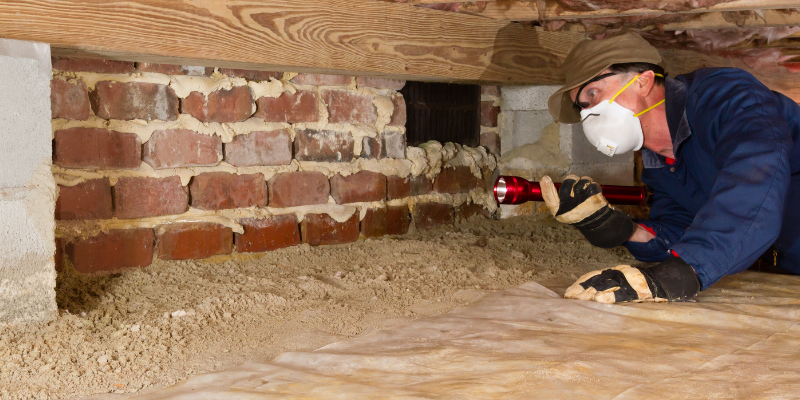
What to Know About Selling a Termite-Damaged House in Chicago, IL
Termites are arguably the worst houseguests one can have. They show up uninvited and trash the place. They also stick around way too long.
If you have termite damage in your Chicago house and are trying to sell, you’re likely stressing about whether anyone will want to buy it and how much money you’ll lose due to this issue.
Well, it’s totally possible. You just have some decisions to make about repairs and pricing, and yes, the process takes a bit longer than a regular sale. However, you can sell this house without going broke. Let’s break down how.
Can You Sell a House with Termite Damage in Chicago?
Sure can. Illinois doesn’t have a rule that says “no selling houses with bug problems.” You simply cannot lie about it when buyers start asking questions or reviewing your disclosure forms. The real issue is finding someone willing to buy it and dealing with the price hit that comes with termite baggage.
Most traditional buyers using bank loans are likely to be a challenge because lenders tend to be cautious about pest damage. For FHA and VA loans, especially, those won’t happen unless everything’s fixed.
Fortunately for you, cash buyers and house flippers often purchase termite-damaged houses with ease. You’ll receive less money compared to traditional sales, but you can unload this property and be done with it more quickly.
A Team Real Estate Solutions offers a fast, hassle-free cash solution for homeowners selling houses with termite damage in Illinois. We buy properties as-is, handle the complications, and eliminate the need for repairs, inspections, or lender approvals—helping you sell quickly without the stress of a traditional sale.
Signs of Termite Infestation in Your House
Termites are annoying little jerks who do their damage behind the scenes. By the time most people notice them, they’ve already been having a party in the walls for months. Here’s what to look for if you think you might have these freeloaders.
Wood Damage and Hollow-Sounding Timber
Knock on your door frames or the wood around your windows. Does it sound hollow instead of solid? That’s termites eating everything on the inside while leaving a thin shell on the outside.
Push on it with your finger, and you might go straight through. The wood might also look weirdly dark or blistered where they’ve been working.
Mud Tubes on Walls and Foundation
Inspect your basement or crawl space walls for narrow dirt tunnels that run up from the ground. They’re about as wide as a pencil and made from soil mixed with termite spit. That’s how subterranean termites travel from their dirt homes into your wood.
Crack one open. If bugs come crawling out, you’ve got an active infestation.
Discarded Wings Near Windows and Doors
During spring, you might find little piles of wings on your windowsills or near doors. These are from termite swarmers who shed their wings after mating.
All the wings look the same. They’re tiny, clear, and about a quarter inch long. It’s basically proof that termites are trying to set up shop in or around your house.
Frass or Termite Droppings
Some termites leave behind tiny pellet piles that resemble sawdust or used coffee grounds. That’s frass, which is just a fancy word for termite poop. If you’re seeing mounds of this stuff near wood beams, furniture, or walls, you’ve got drywood termites living in there doing their thing.
Types of Termites Found in Chicago
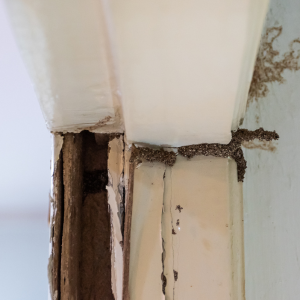
Chicago has two main types of termites that like to damage houses, and they work differently from one another.
Subterranean Termites
These are the ones causing the most problems in Illinois. They live underground in giant colonies (we’re talking millions of bugs), and they need dirt and moisture to survive. That’s why they build those mud tubes up from the ground into your house.
They’re not just snacking on your baseboards either. These individuals target the significant components, such as floor joists, support beams, and other structural elements, that they can access. If you’ve got termite damage in Chicago, it’s probably subterranean termites doing the dirty work.
Drywood Termites
Way less common around here, but they still pop up sometimes. Drywood termites are different because they actually live inside the wood they’re eating. There is no dirt needed or mud tubes to spot. They’re harder to catch early because of that, but they leave those little pellet droppings everywhere as a clue.
The damage tends to remain more localized to specific wood pieces or furniture, rather than spreading throughout the entire structure, unlike subterranean termites. Still a problem you’ve got to deal with before selling, though.
How Does Termite Damage Affect Your Home’s Value
Termites can tank your home’s value. It depends badly on what they destroyed and whether you’ve fixed it, but even a minor termite problem is going to cost you money when you sell.
If the damage is just cosmetic, such as chewed-up trim or baseboards, you might only lose a few thousand off your asking price. However, if termites infest your floor joists or support beams, you’re looking at significantly larger losses, as buyers are now concerned about structural damage.
Even if it’s not as bad as it sounds, that word makes people think your house is falling apart. Some will see “termite damage” on your disclosure and walk away without even taking a look.
Those who stick around will use it to negotiate a hard deal for you. With fewer interested buyers, you’ve got less room to say no.
Contact us if you’re worried that termite damage can hurt your home’s value. We make fair offers based on the home’s current condition, so you don’t have to deal with buyer hesitation, repairs, or tough negotiations.
Legal Consequences of Failing to Disclose Termite Issues in Illinois
Don’t even think about hiding termite damage from buyers. Illinois law requires you to fill out a Residential Real Property Disclosure Report, and termite damage has to be on there. You can’t just “forget” to mention it and hope nobody notices during the inspection.
If you hide it and buyers find out later (and trust us, they will), you’re looking at a lawsuit. They can sue you for fraud, force you to pay for all the repairs, and cover their legal fees. In some cases, they can even rescind the whole sale. Illinois courts take disclosure violations seriously.
Even if you genuinely didn’t know about the termites, you can still get nailed if a judge thinks you should’ve known. Just get the inspection and tell the truth. A lawsuit will cost you way more than being honest ever would.
How to Sell a Termite-Damaged Home in Chicago, Illinois?

If you have termite damage in your home and need to sell, here’s how to find a buyer quickly.
Step 1: Get a Professional Termite Inspection
The first thing you need is an honest pest inspector. Nope, not your handyman buddy who thinks he knows bugs. You need a licensed professional who’ll provide a detailed report on what’s happening in your house.
They’ll check everywhere termites like to hide and tell you if the infestation is still active. They’ll also tell you how much damage there is and what treatment you’re looking at.
Most termite inspections in Chicago cost between $75 and $150 for a standard residential property. Some companies may offer it for free if you hire them for treatment, but be cautious of the sales pitch that accompanies it.
You want honest info, not someone trying to upsell you on services you don’t need. Get the inspection done before listing, so you know exactly what you’re disclosing and can make an informed decision about your next move.
Step 2: Assess the Extent of Damage
Once you’ve got that inspection report in hand, you need to figure out how screwed you actually are. Is this just surface damage to your window trim, or have termites eaten half of your floor joists? The difference matters for how you price and sell this thing.
Minor damage is fixable without incurring a significant expense. Major structural stuff is a different story. You have to spend thousands on repairs, and you would have way fewer interested buyers.
If the damage appears serious, hire a contractor to provide a repair estimate. You need real numbers before deciding whether to fix it yourself or sell it as-is and let the buyer handle the repairs.
Step 3: Decide on Your Selling Strategy
This is where you’ve got to make the call. You can either fix everything, sell as-is, or meet buyers halfway. Each option works depending on how quickly you need to get out and how much money you have to spend on repairs.
Repair the Termite Damage Before Listing
Fixing everything yields the most money and the largest pool of buyers. Traditional buyers with mortgages can actually get financing, and you can price closer to what other houses in your neighborhood are selling for. However, repairs aren’t cheap.
Treating the infestation alone can cost between $500 and $3,000. If you have structural damage to fix, you could be looking at five figures easily. Plus, it takes time. If you need to sell immediately or don’t have spare repair money, this probably isn’t your best option.
Sell As-Is with Price Adjustments
Here, you tell buyers upfront about the termite damage and adjust your price accordingly. You then sell to someone willing to take on the repairs themselves. In most cases, this means working with cash home buyers in Chicago and other cities in Illinois, including investors who specialize in flipping houses as a full-time occupation.
Yes, you’re leaving money on the table, sometimes a lot of money if the damage is bad. But you skip all the repair hassle and expense. This might be worth it if you just want this nightmare over with.
Offer a Repair Credit to Buyers
This is the middle ground. You agree to give buyers money back at closing to cover repairs, but you don’t actually do the work. Buyers like this because they have the option to choose their own contractors and control the repair process. You like it because you don’t have to manage construction or front a bunch of cash before you’ve even sold.
The credit is deducted from your sale proceeds, but it can help you close deals with conventional buyers who want the issue addressed without requiring any action on your part.
Step 4: Treat Active Termite Infestations
If termites are still munching on your house right now, you’ve got to deal with that before closing. Most buyers will not purchase a property with an active infestation, and their lenders will definitely not approve the loan.
The treatment depends on what kind of termites you’re fighting. Subterranean termites usually need liquid chemicals around your foundation or a baiting system. Drywood termites may require fumigation if they are present throughout the entire structure, or just spot treatments if the problem is localized.
Whatever you do, hire a licensed pest control company and keep every piece of paperwork they give you. Buyers will want proof that the bugs are actually gone.
Professional Extermination Options in Illinois
Illinois has many pest control companies that handle termites, but you want someone who actually knows what they’re doing. Look for licensed companies with good reviews and warranties on their work. It should be at least a year, but ideally longer.
Liquid treatments involve drilling around your foundation and pumping in chemicals that kill termites and create a barrier. Baiting systems use stations around your property that termites eat and carry back to their colony.
Meanwhile, fumigation involves tenting the entire house and filling it with gas. It’s super effective but pricey, and you have to move out for a few days. Get quotes from at least three companies so you’re not getting ripped off.
Termite Treatment Costs
Treatment costs in Chicago depend on the size of your house and the severity of the infestation.
Liquid barrier treatments typically cost between $1,000 and $3,000 for an average-sized house. Baiting systems cost about the same upfront but require an additional $300 to $500 yearly for monitoring. Fumigation is the most expensive, ranging from $2,000 to $8,000, depending on the square footage. Spot treatments for minor problems might only cost a few hundred bucks.
Some companies bundle treatment with repairs, which can save you money, so compare what’s actually included before you commit.
How Long Does Termite Treatment Take?
Termite treatment timelines depend on the method used and the severity of the infestation. Liquid barrier treatments usually take one day. The crew shows up, drills around your foundation, pumps in the chemicals, and they’re done.
You can stay while they work, though it’s loud and somewhat annoying. The chemicals need time to dry, but you’re not getting kicked out of your house or anything.
Baiting systems take longer because they’re not a one-and-done thing. Installation happens in a day, but then you’re waiting weeks or months for termites to actually find the bait, eat it, and carry it back to their colony.
The whole colony has to die off before treatment’s considered complete. You’ll need follow-up visits to monitor the stations and see if the bait’s working.
Fumigation is the fastest method for killing termites, but it is also the most disruptive. Your house will be tented for two to three days, and you will need to vacate completely. You can’t stay in a hotel down the street and pop back to grab something. You’re out until the pest company says it’s safe.
If you’re trying to sell quickly, liquid treatments are your best option because they’re effective and can be completed promptly. Baiting systems work great, but the timeline doesn’t help if you need to close in a few weeks.
Step 5: Price Your Termite-Damaged Home Competitively
You can’t list at full market value and hope buyers overlook the termite thing. They won’t, and your house will just sit there while you’re still paying the mortgage.
Check what comparable houses in your area have sold for, then subtract your repair estimate, plus an additional amount for the buyer’s closing costs, also known as the buyer’s hassle tax. If repairs cost $10,000, you’re probably dropping your price $15,000 to $20,000 to get any action.
Sucks, but buyers expect a deal when they’re buying someone else’s headache. Price it right, and you’ll get offers. Meanwhile, if you price it as if you’re living in a dreamland, you’ll watch it sit on the market for months.
Step 6: Market Your House Honestly
Trying to hide or downplay the termite damage in your listing is a bad idea. You’ll waste time with buyers who feel blindsided, and you could end up in legal trouble. Just rip the band-aid off and put it out there from the start.
Work with an agent who’s dealt with problem properties if you’re going that route. They know how to write a listing that mentions termite damage without making it sound like your house is one strong wind away from collapsing.
Highlight the positive aspects, such as your neighborhood, the updates you’ve made, and any other features that make your place a desirable purchase. Then drop the termite bomb with the facts about what’s been treated or fixed.
The buyers who can’t handle it will move on immediately. The ones who stick around are actually serious about making an offer.
Selling a House with Old Termite Damage That’s Already Fixed

If you already treated the termites and fixed all the damage before listing, you’re in way better shape than someone selling with active bugs. But you still have to disclose the history. This means you need to have your paperwork in order. Buyers want proof that the problem’s actually gone and not just dormant.
Pull together every document you’ve got. These are treatment records from the pest company, receipts for repairs, warranties on the work, and follow-up inspection reports showing the termites are dead. The more paper you can show buyers, the less nervous they’ll be.
If your treatment came with a warranty that transfers to the new owner, that’s huge. It tells buyers that if termites show up again, someone else is paying to deal with them.
Present the whole situation as “we found it, we fixed it, here’s proof” instead of hoping buyers won’t look into it.
Some people will still walk away because they don’t want a house with any history of termite infestations. However, many buyers are okay with it as long as you can demonstrate that the problem’s genuinely resolved and you didn’t just slap some paint over chewed-up wood and call it a day.
Sell Your Termite-Damaged Home in Chicago to Cash Buyers
If dealing with traditional buyers sounds like hell on earth, Illinois cash buyers might be your exit strategy. These are investors or companies that purchase houses in any condition, whether they have termites, structural damage, or other issues. They can close fast—sometimes in a week or two.
The catch is you’re leaving money on the table. Cash buyers typically offer somewhere between 60% to 80% of your home’s actual market value, and that’s before they factor in the termite damage. But think about what you’re skipping. There are no repairs, pest inspections, appraisals, and even the buyer’s lender freaking out about the bugs.
No open houses where people walk through and judge your termite-eaten baseboards. You sign some papers, and you’re done. If you need out fast or you just can’t deal with months of the traditional selling process, this route makes a lot of sense.
Just get offers from a few different cash buyers to make sure you’re not getting completely screwed, because some are way more legit than others.
Frequently Asked Questions:
Can I sell my house in Illinois without disclosing termite damage?
No. Illinois law requires you to disclose known termite damage on your Residential Real Property Disclosure Report. If you hide it and buyers find out later, you’re looking at lawsuits and potentially having the sale reversed. You also have to pay for repairs. Just be honest. It’s significantly cheaper than the legal mess you’ll encounter if you try to hide it.
How much does termite damage reduce home value in Chicago?
It depends on the severity. Minor cosmetic damage might only cost you a few thousand off your price. Significant structural damage can cost you tens of thousands of dollars, as buyers and lenders are concerned about any issues that may compromise the home’s structural integrity. You’ll also lose value just from having to disclose the termite history, even if everything’s been fixed.
Do I have to fix termite damage before selling?
Nope. You can sell as-is if you want. The trade-off is that you’ll get less money and fewer interested buyers. Traditional buyers with FHA or VA loans won’t be able to secure financing until the damage is fixed, but cash buyers and investors will purchase your house, including any termites, as is.
How long does it take to sell a house with termite damage?
Usually longer than selling a termite-free house. You’ll get fewer offers, and some buyers will bail after reading the inspection report. Traditional sales with termite damage can take several months to complete. Selling to a cash buyer can close in as little as one to two weeks.
What happens if termites are found during a home inspection?
The buyer will probably freak out a little. Then, they either ask you to fix it, request a price reduction, or simply walk away. If you had already disclosed the termite damage upfront, this shouldn’t come as a surprise to anyone.
If you didn’t disclose it and the inspector finds it, the buyer can back out; you are also legally required to disclose it to all future buyers.
Are cash offers lower for homes with termite damage?
Yes. Cash buyers typically offer 60% to 80% of the market value for any house, and they’ll adjust the offer further for termite damage. But you’re trading money for speed and convenience.
Key Takeaways: Selling a House with Termite Damage in Chicago, IL
If you plan to sell a house with termite damage, get an inspection so you know what you’re working with. Additionally, inform buyers of the truth, as Illinois law requires you to do so. Next, determine whether fixing the damage makes sense or if selling as-is is a better option for your situation.
If you’re tired of stressing about this and just want out, A Team Real Estate Solutions buys termite-damaged houses all over Chicago. We’ll give you a fair cash offer, and you don’t have to make any repairs. Call us at (708) 608-0420 and let’s get this thing sold so you can move on with your life.
Helpful Chicago Blog Articles
- Average Cost to Sell a House in Chicago, IL
- How to Sell a House in Chicago, IL, While Living in It
- How to Sell a House in Probate in Chicago, IL
- Guide to Selling an Estate Property in Chicago, IL
- Homeowners Guide: Selling a House to the Bank in Chicago, IL
- How to Handle an Inherited Distressed Home in Chicago, IL
- Selling a House with Termite Damage in Chicago, IL
- Can You Sell Your House With a Quitclaim Deed in Chicago, IL?
- Can I Sell My House With a HELOC in Chicago, IL
- Should I Replace Windows Before Selling My House in Chicago, IL
- Home Appraisal In Chicago, IL
- Homeowners Insurance After Closing In Chicago, IL